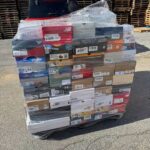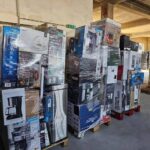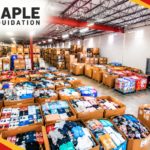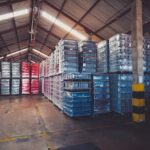


What Are Canada Liquidation Pallets?
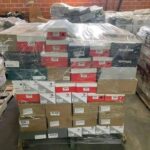
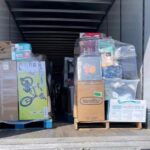
Canada liquidation pallets are bulk lots of products sold below typical retail or wholesale pricing. These pallets can include overstock, customer returns, shelf pulls, discontinued items, or mixed-condition merchandise gathered from retailers and distributors. Because they’re sold as bundled inventory rather than individual items, pallets offer a lower per-unit cost, but with more variability in what you actually receive.
Liquidation pallets can be relevant for retail stores, online resellers, discount stores, auction sellers, wholesalers, small businesses, and exporters looking to source inventory at a reduced cost. That said, pallet contents and condition can vary significantly from lot to lot, so it’s important to review the available product information, photos, descriptions, and manifests when provided, before purchasing.
How Do Liquidation Pallets Work in Canada?
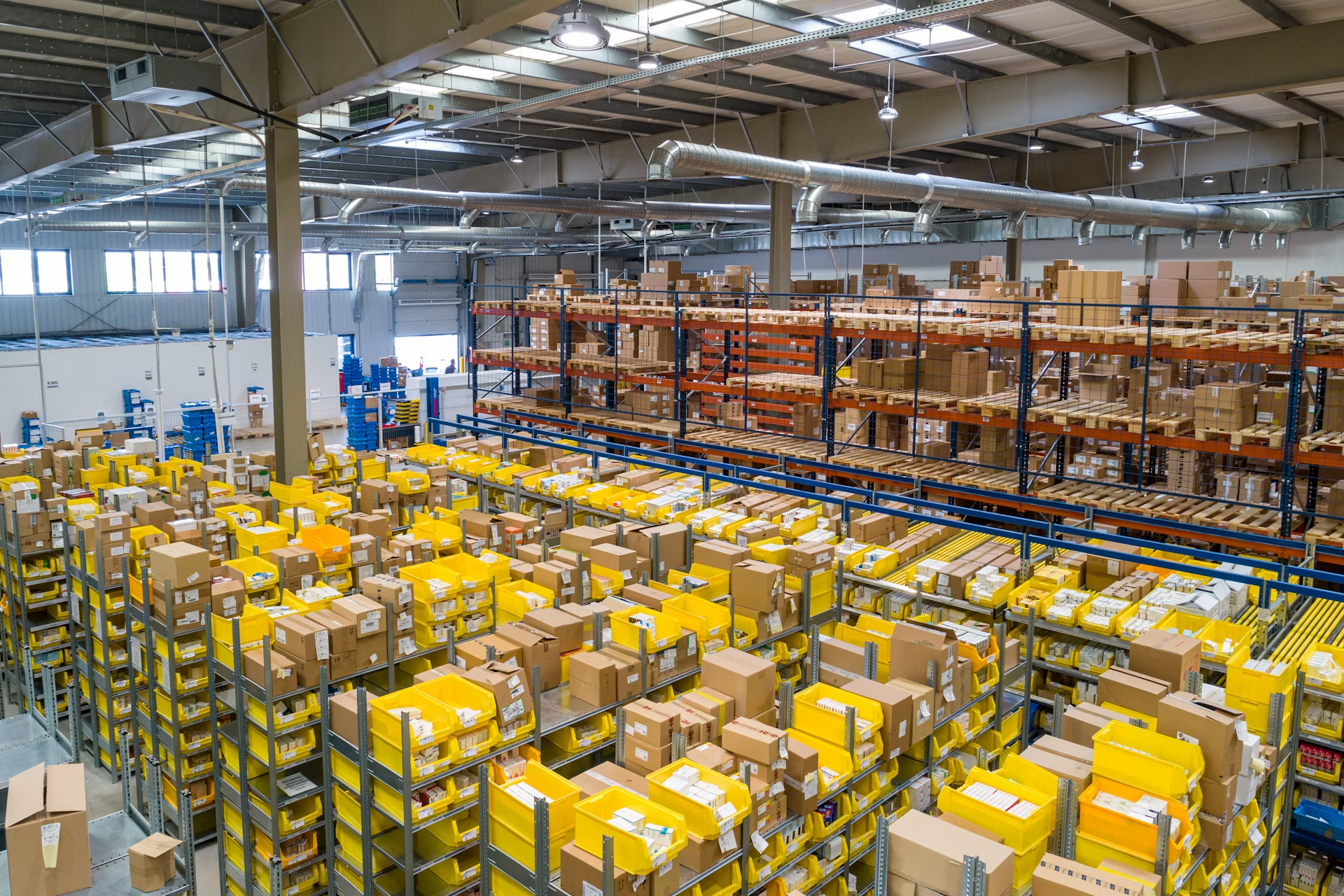
The liquidation process generally starts when retailers accumulate excess or returned inventory that they no longer want to hold or resell through normal retail channels. That inventory is sorted into liquidation lots based on category, condition, or source, then grouped into pallets or larger truckload shipments.
Liquidation suppliers then offer these lots to businesses and resellers, who purchase pallets sight-unseen or based on partial information. From there, buyers are responsible for inspecting, repairing, organizing, and reselling the products themselves.
This is different from buying individual products at wholesale, where you know exactly what you’re getting. With liquidation pallets, buyers accept more uncertainty in exchange for a lower cost, since the exact contents and condition can vary between lots, even within the same product category.
What Can You Find on a Liquidation Pallet?
Liquidation pallets in Canada can include a wide range of product categories, such as:
- Home and kitchen products
- Electronics and gadgets
- Tools and hardware
- Furniture
- Appliances
- Clothing and footwear
- Toys
- Beauty and personal care items
- General merchandise
- Seasonal products
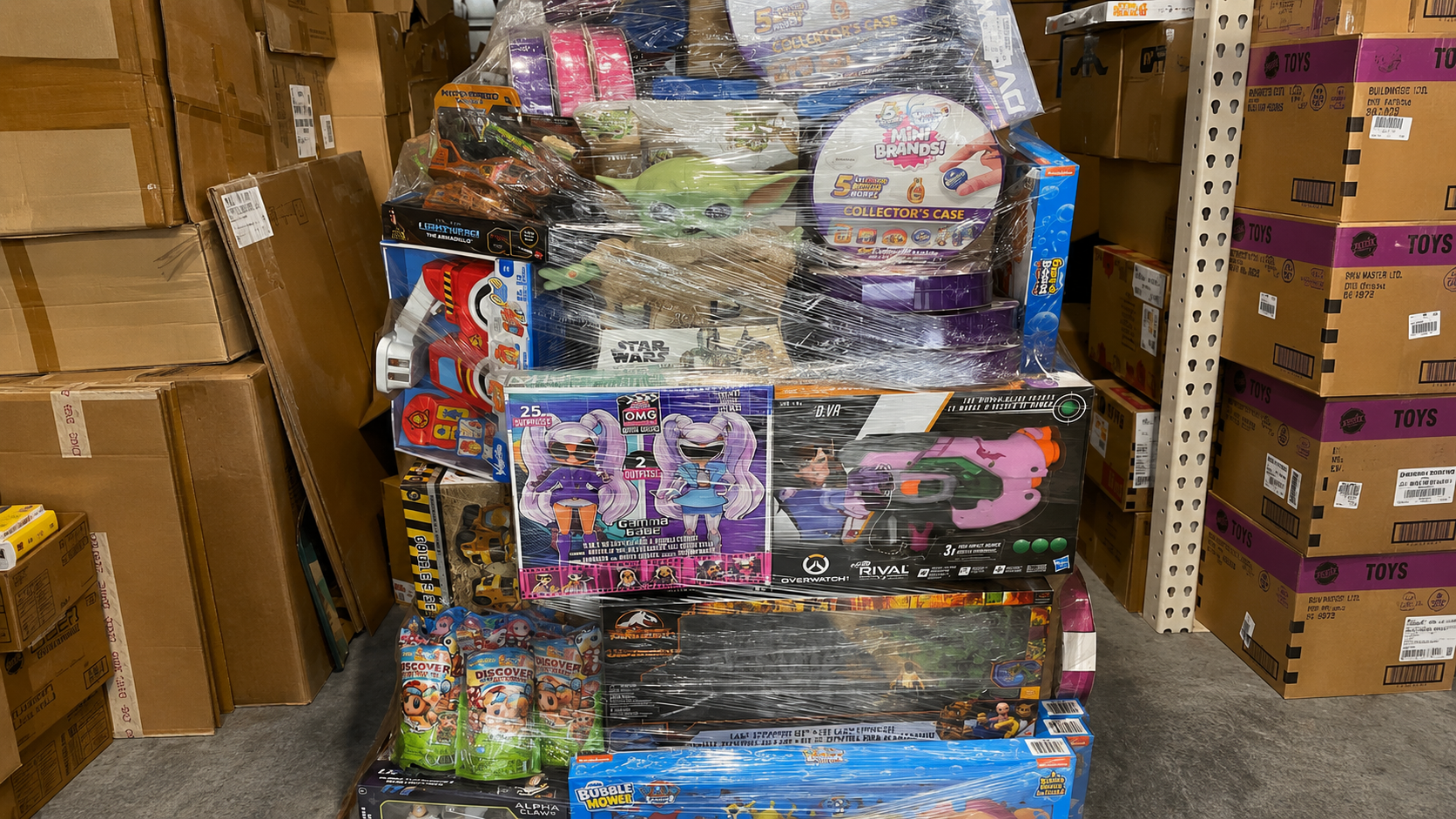
Current Maple Liquidation pallet listings, for example, feature a mix of returns and overstock inventory. Some listings note that there’s no manifest available, and that the majority of items are represented in the product photos rather than an itemized list. It’s worth emphasizing that not every pallet from Maple Liquidation or any other supplier contains the same products or condition. Each lot should be evaluated individually.
Understanding Liquidation Pallet Conditions
One of the most important things to understand before buying is how condition is described. These terms aren’t always standardized across suppliers, so it helps to know the general meanings:
| Condition | What It Can Mean |
|---|---|
| New | Unused product, generally in original packaging |
| Like New | Little or no apparent use, but packaging may have been opened |
| Overstock | Excess inventory that was not sold |
| Returns | Products returned by customers |
| Used | Previously used products |
| Damaged | Products with physical damage or other issues |
| Missing Parts | Products that may require parts before resale |
Condition definitions can vary by supplier, so it’s worth checking the specific listing rather than assuming a standard applies across the board. Maple Liquidation’s current listings, for instance, can include new, like-new, used, damaged, missing-parts, and unsalable items depending on the pallet, and some are explicitly sold “AS IS,” with no exchanges or refunds. Reading the fine print on each listing matters as much as reading the product list.
What Should You Check Before Buying Canada Liquidation Pallets?
Before purchasing, it’s worth running through a short checklist:
- Product category — Make sure the pallet contains products you understand and can realistically resell.
- Condition — Confirm whether the inventory is new, overstock, returns, used, damaged, or mixed condition.
- Manifest availability — If a manifest is provided, review the listed products, quantities, and details. If there isn’t one, rely more heavily on the listing photos and description.
- Photos — Study the actual pallet photos closely when they’re available, rather than generic stock images.
- Total cost — Don’t judge profitability on pallet price alone. Factor in shipping, taxes, storage, repairs, testing, packaging, marketplace fees, and other selling costs.
- Return policy — Check whether the pallet is final sale or eligible for returns.
- Resale demand — Research whether the products have realistic demand in your target marketplace.
A low purchase price doesn’t automatically mean a profitable pallet. The real cost of doing business only becomes clear once you add up every expense between purchase and final sale.
How to Estimate Your Potential Resale Margin
A simple way to think about potential margin is:
Potential Revenue − Total Landed Cost = Potential Gross Margin
Total landed cost can include the pallet purchase price, freight or shipping, taxes, repairs, missing components, packaging, storage, marketplace fees, and other selling expenses.
For example, a hypothetical pallet purchased for a set price might require additional spending on shipping, repackaging, and marketplace fees before a single item sells, all of which should be subtracted from expected revenue, not just the purchase price. It’s also worth remembering that MSRP or original retail value shouldn’t automatically be treated as resale value. Actual resale prices depend on product condition, current demand, competition, seasonality, and the selling channel you use.
Where Can You Buy Liquidation Pallets in Canada?
Liquidation pallets in Canada are available through several sourcing channels, including:
- Canadian liquidation companies
- Retail liquidation marketplaces
- Business-to-business liquidation suppliers
- Local liquidation warehouses
- Online liquidation auctions
Before buying from any source, verify the seller’s information, product descriptions, condition details, shipping arrangements, payment requirements, and final-sale terms. Maple Liquidation is one option for sourcing pallet inventory in Canada, offering a range of listings across categories; though, as with any supplier, it’s worth reviewing each pallet’s specific details rather than assuming uniform savings or profit across the board.
What About Costco and Amazon Liquidation Pallets in Canada?
For Costco, the official Costco Canada liquidation marketplace currently operates through B-Stock, with inventory coming directly from Costco Wholesale. According to B-Stock’s marketplace information, Canadian business buyers need a valid GST/HST business number, and buyers based in Quebec are currently excluded. Costco liquidation inventory can include conditions ranging from new and like-new to Grade A/B and Grade C/D lots, and member returns may include items with missing, damaged, or non-functional components.
For Amazon, it’s important to distinguish between Amazon-origin liquidation inventory and third-party sellers advertising products as “Amazon returns.” Not every listing described this way is verified or sourced directly from Amazon, so confirming the actual source and condition before purchasing is a necessary step.
Frequently Asked Questions About Canada Liquidation Pallets
Where can I find Costco liquidation pallets in Canada?
Costco liquidation inventory is available through its official Costco Canada Liquidation Auctions marketplace, operated through B-Stock. Eligibility requirements apply, including Canadian business-buyer criteria. Review current marketplace terms, available lots, condition grades, and shipping costs before bidding.
How to buy Amazon liquidation pallets in Canada?
Look for reputable liquidation marketplaces or Canadian suppliers offering Amazon-related return or overstock inventory. Verify whether the inventory is genuinely sourced from Amazon, review condition and manifest details when available, and calculate freight and other costs before purchasing.
Where can I buy pallets in Canada?
Pallets can be purchased from Canadian liquidation companies, liquidation marketplaces, wholesalers, auctions, and local warehouse suppliers. Compare product categories, condition, pricing, shipping, manifest availability, and final-sale policies before choosing a supplier.
How to get Costco liquidation pallets?
Eligible Canadian business buyers can apply through the official Costco Canada Liquidation Auctions marketplace. Buyers need a valid GST/HST business number, and the marketplace is currently unavailable to buyers in Quebec.
How to buy Costco returns in Canada?
Costco returns are available through Costco’s liquidation marketplace. Understand the condition grading before bidding, since member returns can include items with opened packaging, missing parts, damage, or functional issues. Sales are generally final, so reviewing lot details and shipping costs beforehand is important.
Ready to explore available liquidation inventory? Browse Maple Liquidation current pallet selection to see what products and lots are available for Canadian buyers.