

Do you ever wonder how some of your most basic requirements can influence the natural world? From basic shopping habits to discarding everyday waste, we ought to embrace activities that have the least impact on the natural environment.
Canada’s bin store industry is currently on the verge of a green revolution, with key industry players identifying environmentally friendly receptacles as the way forward. In this blog, we will look at some of the prominent bin store suppliers in Canada and see how they successfully embrace the latest eco-friendly trends to make a positive impact on our planet.
Why Focus on Bin Stores?
You might ask: why bin stores? Bin stores play a massive role in modern waste management because they utilize bins of varying sizes to collect and segregate recyclable products. Implementing sustainable practices within the bin store industry can make a significant contribution toward active recycling and waste minimization.
5 Innovations and Practices Within the Canadian Bin Store Industry
1. Eco-Friendly Materials
A dramatic shift currently taking place in the bin store market is the transition toward environmentally friendly materials. Traditional plastic construction is gradually fading out, paving the way for highly resilient and eco-friendly alternatives.
Suppliers are increasingly turning to materials like recycled plastic, stainless steel, and recycled aluminium. These materials reduce reliance on non-renewable sources and provide superior resistance against weathering and corrosion, vastly increasing the overall durability of the bins.
2. Customization and Design
Canadian bin store suppliers are actively focusing on creating tailor-made units that suit the specific spatial and operational needs of their clients.
These custom-designed, fully recyclable units cater perfectly to the waste management demands of both residential and commercial properties. Suppliers and customers work closely together to design, construct, and maintain systems that maximize utility while matching the specific aesthetic preferences of the property.
3. Education and Awareness
A core pillar of maintaining long-term sustainability is providing users with clear, actionable information on proper bin usage and recycling behavior.
Suppliers are dedicating efforts to developing educational content that guides consumers on exactly which items can be recycled and how to sort them correctly. This active push for consumer awareness directly reduces waste contamination and improves processing efficiency.
4. Effective Waste Segregation
Responsible management relies heavily on integrating structured, sustainable disposal mechanisms.
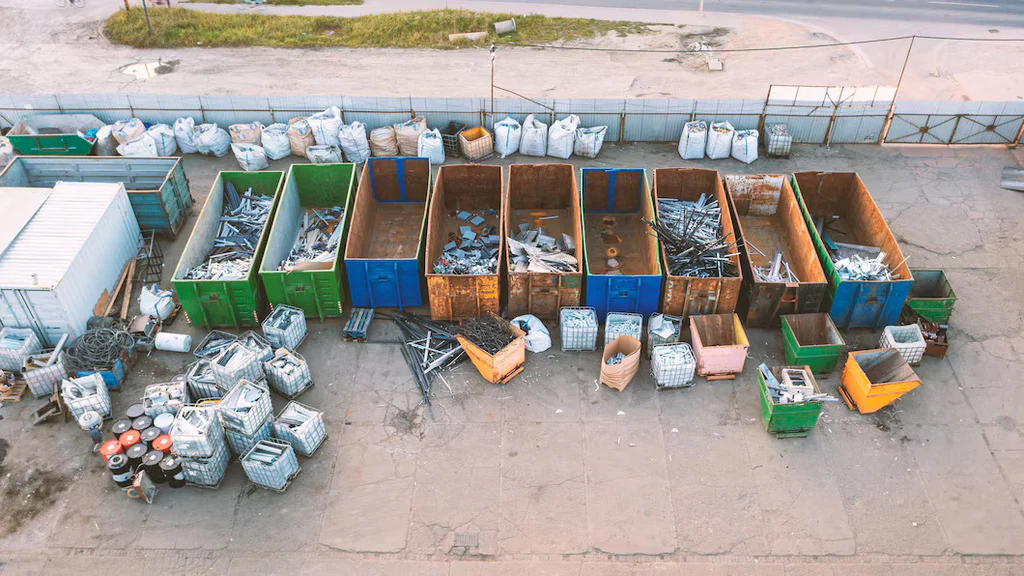
To properly process multiple categories of recyclable materials—such as paper, plastic, metal, or glass—suppliers supply distinct, dedicated bins. Many setups enhance this sorting process further by utilizing clear graphical signage and distinct color-coded configurations to minimize sorting mistakes and divert waste away from local landfills.
5. Cooperation with Local Recycling Centers
Suppliers also take on the responsibility of bridging the gap between consumers and local recycling facilities.
By working hand-in-hand with these facilities, they ensure that all collected materials are processed correctly. These strategic community partnerships help identify current gaps within the local recycling loop and find viable ways to optimize the entire waste management chain.
Conclusion
Bin store suppliers across Canada are stepping up to show their commitment to environmental preservation by adopting deeply sustainable operational practices. By emphasizing high-quality recyclable materials, custom functional designs, and community-wide education, they are setting a benchmark for modern waste management.
The flexibility of the Canadian bin store industry highlights how simple structural changes can drive eco-friendly progress, ensuring that a greener future is built through the continuous cooperation of suppliers and conscious consumers alike.