
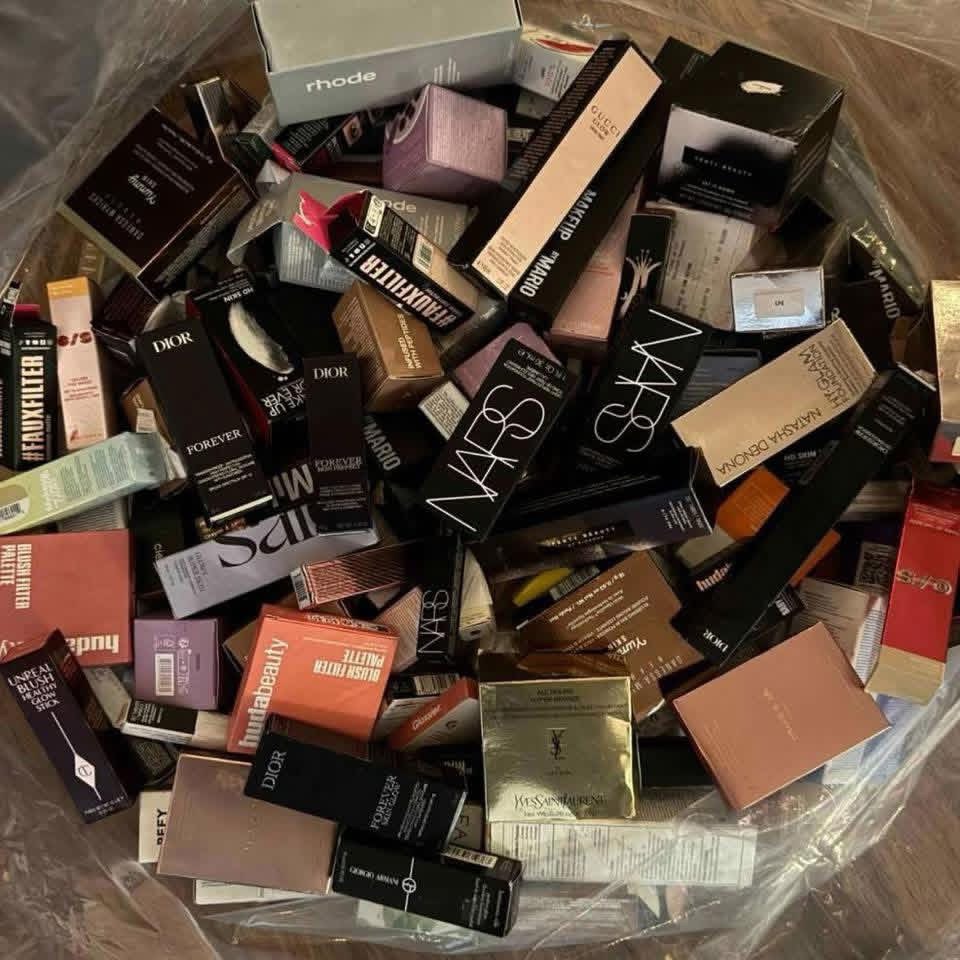
Quick AnswerPurchasing beauty liquidation pallets in Canada means sourcing mixed skincare, cosmetics, and personal care lots from shelf pulls, overstock, and returns at about half the retail price. Successful reselling depends on several factors, including checking expiry dates, verifying manifests, and pricing items based on brand recognition. |
Beauty products are considered one of the fastest-moving resale categories across Canada. Skincare, cosmetics, and personal care items are products people repurchase consistently, regardless of the season or the broader economy. This consistent demand makes beauty inventory a strong entry point for any reseller looking for a category that turns over quickly.
Starting strong means knowing a few category-specific details, such as expiry dates and packaging condition. These don’t apply the same way to other resale categories. So, today we’re going to look at exactly how to turn your beauty liquidation pallets into the most profitable, repeatable part of your resale business.
Why Beauty Inventory Moves Faster Than Most Categories
Beauty products often benefit from built-in repeat demand that a couple of other resale categories match. Customers who like a product return for more than once it runs out. This is why beauty palettes are extremely attractive for resellers building their customer base.
This is a lucrative category for resellers for different reasons such as:
- Frequent purchase behavior driving a consistent demand
- Smaller, lightweight items simplify overall storage and shipping
- Diverse price range accommodating multiple resale channels
- Trending products that create seasonal spikes to meet the demand
Getting clear insight into these dynamics early can help you set realistic expectations before buying your first batch of beauty liquidation pallets from a reputed wholesale liquidation pallet supplier. Success in this category often relies on moving inventory before the trend changes or products reach their expiry window.
It looks a bit different for almost every reseller. However, the successful ones start by knowing what’s actually available before making their purchase decisions.
A Growing Market Worth Paying Attention To
Steady growth in the domestic market shows that demand for beauty products isn’t a short-term trend anymore. It’s a category that resellers can reasonably build their long-term business around.
The Complete Playbook for Buying and Reselling Beauty Pallets
Here are a couple of primary areas that cover almost everything. From initial sourcing to establishing a repeatable resale process around beauty inventory.
Understanding Beauty Pallet Grading
Typically, beauty pallets are graded based on packaging condition and whether items have been opened. This can range from sealed overstock to mildly used customer returns. So, knowing these grades upfront helps set realistic expectations for resale value.
Common grading categories include:
- Brand new products that come factory-sealed
- Shelf pulls with smaller packaging wear
- Customer returns that arrive in varied condition
- Mixed lots using multiple grade types
Choosing the right grade for your resale channel affects both upfront cost and how quickly you move inventory before the product reaches its expiry window. Resellers who need to understand how grading works across categories can compare it with listings such as DeWalt Mixed Power Tool & Equipment Pallet, which use a similar grading approach.
Comparing Beauty Pallet Grades Before You Buy
Beauty pallets are graded differently than other categories. Both packaging condition and expiry dates matter to determine whether an item has been opened.
| Grade | What to Expect | Best Resale Fit |
|---|---|---|
| Brand new/sealed | Unopened, full shelf life remaining | Online marketplaces, higher margins |
| Shelf pulls | Minor packaging wear, unused product | Bin stores, bundled listings |
| Customer returns | Opened or lightly used, varies by item | Discount bundles, local resale |
| Mixed lots | Combination of the grades above | Flexible across multiple channels |
Check expiry dates and packaging condition before adding an item to your inventory list. This can help avoid returns and any future negative reviews.
Sourcing From a Reliable Supplier
Beauty products involve a supplier who can clearly detail all data related to expiry and packaging conditions. These details matter more here than in other resale categories. Also, verifying manifests earlier can safeguard your investment and your reputation with buyers.
A trustworthy supplier typically offers:
- Comprehensive manifests that list every product category
- Clear disclosure of expiry details
- Clear grading informed upfront
- Responsive and prompt customer support
Resellers exploring larger-volume purchases often seek to buy Amazon liquidation pallets directly. These lots often arrive with more comprehensive manifests that trace back to a single retail source.
Checking Expiry Dates and Packaging
Compared to most other resale categories, beauty products often arrive with a shelf life that directly affects how soon you have to resell them. Checking the expiry dates immediately upon arrival can help prevent wasted inventory and unsatisfied customers.
A thorough check typically involves:
- Reviewing mentioned expiry dates across every item
- Inspecting packaging for any damage or tampering
- Categorizing items approaching their expiry window
- Documenting conditions with images before listing
Detecting expiry or packaging issues early can help prevent them from turning into customer complaints post-sale. Resellers preferring a non-perishable inventory besides beauty often explore the Home Decor & General Merchandise category, as these items have no expiry concerns.
Pricing Beauty Items for Resale
Pricing every beauty product involves determining its brand recognition, remaining shelf life and packaging condition. All three directly affect what a buyer is willing to pay. Also, researching comparable listings can help you find a profitable, competitive price point.
Effective pricing strategies include:
- Exploring every listing that’s comparable before pricing
- Lower costs for items approaching expiry
- Bundling smaller items for a rapid turnover
- Highlighting identifiable brand names across categories and listings
Also, adjusting cost factors based on remaining shelf life moves inventory faster instead of waiting for full retail-related costs. Also, checking the New Arrivals page frequently helps you find freshly listed beauty pallets before other buyers do.
Choosing the Right Resale Channels
Beauty products sell well across a wide range of channels, from online marketplaces to local pop-ups. Some channels align with certain grades much better than others. Aligning inventory to the right channel will notably improve sell-through rates.
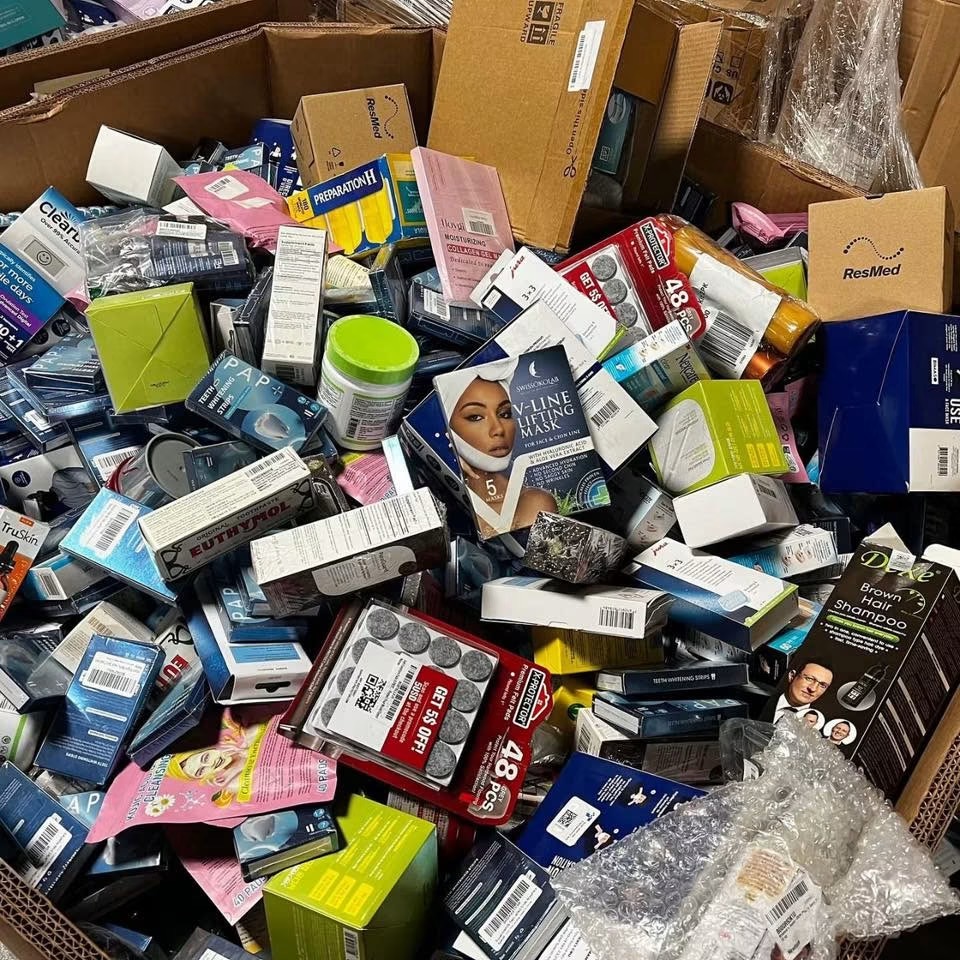
Popular resale channels include:
- Online marketplaces for specific items
- Local bin stores for bundled lots
- Pop-up events for trending products
- Wholesale resale for other specific buyers
Testing a couple of channels sooner can help you identify which option moves your specific inventory fastest. So, knowing how to scale your liquidation reselling business across multiple channels can make a huge difference once the initial process is running successfully.
Diversifying Beyond Beauty Inventory
Several resellers can gradually enter other complementary categories once their resale process runs smoothly. This sort of diversification helps maintain steady cash flow across beauty inventory cycles.
Popular categories to diversify into include:
- Typical merchandise for wider appeal
- Home essentials for frequent customers
- Tools and hardware for a varied buyer base
- Seasonal products to match demand cycles
Resellers who are looking for quality tools at wholesale prices often diversify in this direction. Tools appeal to a completely different customer base than beauty shoppers.
Scaling Your Beauty Resale Business
Once your process is reliable, scaling means increasing overall order volume and potentially establishing connections with consistent suppliers for repeat purchases. Growth happens gradually, avoiding overextending storage or cash flow.
Scaling strategies typically involve:
- Maximizing order volume over time
- Building connections with consistent suppliers
- Reinvesting profits into new inventory
- Tracking the fast-selling products
Long-term growth often comes through steady reinvestment rather than major, infrequent purchases that strain storage and cash flow.
Maple Liquidation Brings Transparency to Beauty Sourcing
Finding a reputable supplier that clearly discloses a product’s expiry dates and packaging condition is one of the major challenges resellers face when sourcing beauty liquidation pallets. At Maple Liquidation, we provide Canadian resellers with that level of clarity.
Dealing with us will help you achieve direct access to:
- Verified manifests for every listed pallet
- Clear grading that’s disclosed on every listing
- Immediate reliable shipping throughout Canada
- Responsive and prompt customer support to answer buyer queries
Contact us today to browse current beauty pallet inventory and start building your resale business with confidence.
Building Momentum One Pallet at a Time
Almost every category carries its own learning curve. Beauty is no exception, with expiry windows and packaging conditions adding a layer most other resale categories don’t require.
Resellers who pay closer attention to these details early can build a steadier foundation for long-term success. Take every step carefully, as this category can become a reliable part of a broader resale strategy.
Frequently Asked Questions
Do beauty liquidation pallets contain expired products?
Trusted suppliers will always share expiry information up front, and while most items have a substantial shelf life left, this always varies by pallet.
Can opened or tester beauty products be resold?
Some resale channels allow this with clear disclosure, but many consumers prefer sealed items, so listing them separately in your ads helps.
What’s the greatest risk when purchasing beauty palettes?
Lack of expiry information is a real risk, as your inventory may become unsellable before you can move it.
Do these pallets contain name-brand beauty products?
Yes, many lots do have recognizable retail brands, but it depends on the pallet and supplier.
How should I store beauty products before reselling them?
If possible, store in a cool, dry place, away from sunlight. This will help keep the product and packaging in good shape until it is listed.