

Quick AnswerShoe return pallets in Canada give resellers access to mixed liquidation footwear that may include overstock, shelf pulls, closeout or excess merchandise, and customer returns, depending on the lot. Before buying, check the size range, pair matching, and packaging shown in the listing, then plan how you’ll inspect and sort each pair once it arrives. |
Footwear can suit resellers because it covers everyday, seasonal, athletic, casual, work, and family needs. Shoes also require careful checking. Size, pair matching, packaging, style, seasonality, and brand recognition can all affect how a reseller organizes and prices a lot.
Shoe return pallets are best judged within the wider footwear liquidation market, not treated as inventory made mainly of returns. The mix can vary by lot, so base each purchase on the information supplied for that inventory.
Why Footwear Lots Need a Different Buying Approach
A footwear pallet is not a group of products that can all be priced the same way. Sizes, styles, brands, packaging, and customer preferences can vary within one assortment. Resellers need a process that covers buying, sorting, listing, and storage.
Retail Council of Canada’s Spring 2026 Canadian Shopper Sentiment Study, based on a Leger survey of 2,014 shoppers, found that 58% of purchases are completed in-store and 39% online. It is a general shopping figure, but it shows why many footwear resellers test both online and local channels.
This guide focuses on inspecting, sorting, and reselling liquidation footwear lot by lot. For a wider look at sourcing footwear in bulk, see Wholesale Shoes Canada for resale.
A Practical Framework for Buying and Reselling Footwear Lots
Useful buying decisions come from evaluating how a lot fits an existing business, not from choosing inventory because the category looks appealing. The following steps focus on what a Canadian reseller can assess before and after purchase.
Read the Lot Details Before Focusing on Brand Names
Brand recognition matters, but it should not replace reviewing the actual lot. Photos, product descriptions, visible footwear types, packaging, and lot-specific notes can help you judge whether an assortment suits your audience.
Details worth checking before you buy include:
- Visible brands and footwear styles
- Adult, youth, or mixed size ranges where shown
- Whether photos show the actual pallet or examples of what it includes
- Stated pair counts or estimated quantities
- Packaging shown in available photos
- Lot-specific condition information
- Shipping and pickup details
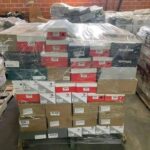
The Mixed Footwear Assortment Pallet #195 shows how a listing can identify brands and provide photos and lot-specific notes. Treat that information as specific to the pallet rather than assuming every footwear lot contains the same mix.
Build a Size and Style Plan Around Your Buyers
Footwear resale becomes easier when you know the buyer. A family-focused shop may want a different mix from an online seller specializing in branded athletic shoes. Defining the customer before purchasing helps narrow the lots worth considering.
Questions to define your buying plan include:
- Which age groups make up most of your buyers?
- Are athletic, casual, work, or seasonal styles more suitable?
- Will you list shoes individually or sell them through local channels?
- How much size variation can your storage system handle?
Size distribution matters as much as style. A pallet weighted toward very small or very large sizes may take longer to sell than one clustered around common adult sizes, so compare the listed size range with what your buyers actually wear. If the listing gives only a general range, note the actual spread when the pallet arrives and price uncommon sizes accordingly.
Resellers serving fitness- or recreation-focused buyers may also review Sports & Outdoors as a complementary category. The goal is to choose adjacent inventory that fits the same audience rather than expanding without a clear customer match.
Calculate the Real Cost Before Setting Resale Prices
The purchase price is only one part of footwear cost. Freight, pickup, platform fees, packaging, storage, and fulfilment can all influence what a reseller needs to recover from sales.
Costs to include in your calculation may involve:
- Pallet purchase price
- Freight or local pickup
- Marketplace or payment fees
- Shipping materials
- Storage and handling costs
A full cost estimate can help prevent pricing based on the pallet price alone.
| Buying Factor | What to Review | Why It Matters |
| Size mix | Visible size labels and audience fit | Helps plan listings and storage |
| Style mix | Athletic, casual, work, seasonal | Helps match products to buyers |
| Packaging | Box condition, tags, and lids shown | May influence listing presentation |
| Brand mix | Recognizable and less familiar labels | Supports comparable-price research |
| Total cost | Purchase, freight, fees, supplies | Creates a more realistic pricing base |
| Pair matching | Left and right shoe match in style and size | Affects how many pairs are ready to sell |
| Visible wear | Scuffs, creasing, sole wear, marks | Shapes pricing and how you describe each pair |
Match and Inspect Every Pair Before Listing
Once footwear arrives, check every pair before it goes on sale. Matching, sizing, and inspection catch problems while they’re still easy to reflect in your pricing and descriptions.
A simple receiving routine can include:
- Match left and right shoes by style, colour, and marked size, since similar models can be mixed within one assortment
- Compare the size printed inside each shoe with the size on the box or tag
- Check visible wear such as scuffs, creasing, sole wear, or marks, and note whether cleaning is needed
- Check packaging condition, including box damage, missing lids, and tags
- Look over insoles, laces, straps, and fasteners for anything missing or loose
- Assign a stock reference and record the size and condition
Photograph the pairs you plan to list individually, and describe visible wear plainly so buyers know what to expect.
Price Individual Pairs From Current Market Comparisons
Pricing should reflect the actual pair, not a general assumption about the brand. Comparable listings are a useful starting point, but size, style, condition, packaging, season, fees, and shipping costs also matter.
Factors that can shape a resale price include:
- Similar current or recently sold listings
- Brand and model recognition
- Size availability
- Visible wear, pair completeness, and packaging
- Seasonal relevance
- Platform fees and delivery costs
Reselling liquidation items offers broader resale considerations, as prices may still need to change as you learn how a style performs with your customers.
Match Footwear to the Sales Channel That Fits It
Different pairs can suit different selling environments. A branded athletic shoe may work well as an individual online listing, while mixed everyday footwear could suit local retail, pop-ups, auctions, or other channels.
Possible footwear resale channels include:
- Online marketplaces
- Local resale stores
- Community selling platforms
- Pop-up or seasonal events
- Auctions or reseller-to-reseller sales
The Premium Brand Mixed Athletic & Casual Shoes Pallet #45 is an example of a lot where the visible footwear mix can help a reseller choose suitable channels before buying.
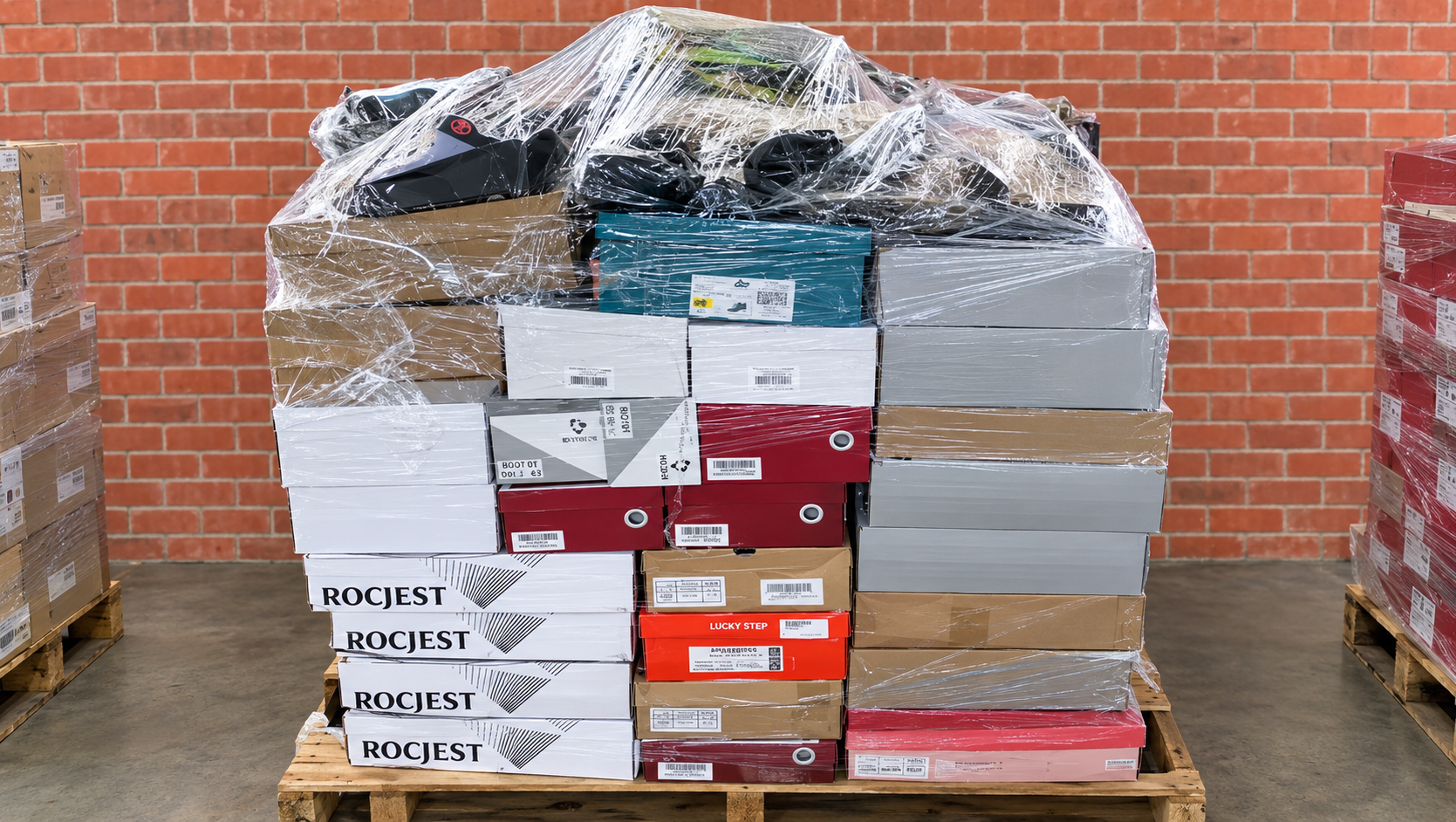
Plan for Missing or Mismatched Pairs
Depending on the lot, a few shoes may turn up without a match, in the wrong box, or in mismatched sizes. That won’t apply to every pallet, but a plan keeps you moving.
A simple plan can include:
- Setting single shoes aside and checking whether the match is elsewhere in the lot
- Comparing box labels with the shoes inside
- Keeping unmatched items in a separate, labelled bin
- Deciding in advance whether to hold, bundle, or exclude them from listings
- Keeping notes and photos in case you have questions about the lot
Counting matched pairs separately from single shoes gives you a more accurate picture of what’s actually available to sell.
Scale Footwear Purchasing Around Proven Capacity
Larger purchasing makes sense only when the reseller has the space, cash flow, and selling process to handle more inventory. Increasing volume too early can make sorting and fulfilment harder.
Signs that a business may be ready to scale include:
- Consistent receiving and inventory routines
- Reliable storage space
- Established resale channels
- Clear records of what styles and sizes move
- Working capital available for larger orders
Maple Liquidation lists multi-pallet options where available, which can help once your receiving and inspection routine is running smoothly. The right order size still depends on your business.
What Resellers Can Expect From Maple Liquidation
Footwear buyers benefit from clear information when comparing lots because size, style, packaging, and condition can vary from one assortment to another.
Maple Liquidation lists footwear with current lot photos and details, so resellers can evaluate each assortment before ordering. Canada-wide shipping information and customer support are available for questions about a specific lot.
Working with Maple Liquidation gives buyers access to:
- Current lot photos and listing details
- Canada-wide shipping details
- Multi-pallet options where available
- Customer support for lot-specific questions
Contact us today to ask about a current footwear lot, shipping information, or other details that may help with your buying decision.
Approach Shoe Resale With a Repeatable Process
Footwear resale works best when sourcing, checking, pricing, and selling are closely connected. Footwear liquidation lots can include different types of inventory, so the best approach is to evaluate each lot on its own and inspect every pair before listing.
Canadian resellers can start by reviewing the available Shoes & Fashion inventory, then compare lot details against their customer base, budget, storage space, and preferred sales channels. A consistent process makes it easier to decide which footwear lots belong in the business and which don’t.
Frequently Asked Questions
Do Shoe Return Pallets contain only returned footwear?
No. Footwear liquidation lots may include overstock, shelf pulls, closeout or excess merchandise, and customer returns where applicable to the specific listing.
Do the photos show the actual pallet?
That depends on the listing. Photos may show the actual items or examples of what’s included, so check the listing wording.
Should every pair from a footwear pallet be priced the same way?
No. Pricing can vary by brand, style, size, condition, packaging, seasonality, comparable listings, fees, and the sales channel used.
How are sizes, quantities, and condition described?
Listings describe them in their own details, and quantities may be estimated. Check the listing for size ranges and condition wording, and ask support if anything is unclear.
What if a pair is missing or mismatched?
Some lots may include unmatched shoes. Inspect every pair on arrival, and contact support with lot details if you have questions about a specific pallet.