

Quick AnswerFor resellers, sourcing wholesale shoes in Canada means purchasing mixed footwear pallets that may include overstock, shelf pulls, closeout merchandise, excess inventory, and, depending on the specific lot, customer returns. They can then list the pairs for resale through local channels or online marketplaces. Resale results can depend on reviewing available product information, checking shoe sizes and pairings, understanding product condition, and pricing based on brand recognition, comparable listings, and current demand. |
Footwear is a broad resale category, with products available across different seasons, age groups, brands, and styles. Changing seasons, growing children, and shifting trends can all contribute to ongoing demand for affordable footwear.
Sourcing this inventory successfully means understanding a few footwear-specific details, such as sizing and pairing accuracy, that can be particularly important when reselling shoes. This guide explains how resellers can source Wholesale Shoes Canada while evaluating inventory that fits their business needs.
Why Footwear Is a Dependable Resale Category
Shoes can retain resale appeal across brands, styles, and price points. Recognizable footwear brands may attract buyers because of brand familiarity, style, condition, and demand. This can make footwear a practical category for resellers to explore.
This type of category is appealing to resellers for different reasons, such as:
- A range of footwear options across seasons and age groups
- Recognizable brands that may attract buyer interest
- Compact sizes making shipping and storage manageable
- Diverse styles that align with multiple resale channels
Exploring these dynamics early can help you set realistic expectations before buying your first batch of footwear from wholesale liquidation pallet suppliers. Resellers should review the available product information and assess sizing, pairing, and condition details before listing individual pairs.
Researching current demand can help resellers compare footwear types and styles before deciding what to buy. Also, exploring the complete shoes & fashion category is a great starting point for finding existing footwear inventory before making your first purchase.
Footwear Market Trends
Broader footwear market trends can provide useful context for resellers considering this category. For Canadian resellers, seasonal changes, brand preferences, and consumer demand can influence which footwear products are best suited for resale.
Global Sneakers Market Growth
*Source: Grand View Research, “Sneakers Market Size, Share And Trends Report.”
The Complete Playbook for Sourcing and Reselling Footwear
The following steps cover the main things to consider when sourcing footwear, evaluating a lot, and building a resale process:
Understanding Footwear Pallet Condition
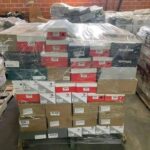
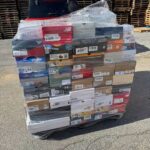
Footwear liquidation lots can vary in product and packaging condition depending on their source. Inventory may include overstock, shelf pulls, closeout merchandise, excess inventory, or, depending on the specific lot, customer returns. Review the listing details and product information to assess whether a lot fits your resale plans.
Inventory may include:
- Overstock inventory
- Shelf-pull merchandise with varying packaging wear
- Closeout or excess inventory
- Customer returns, depending on the specific lot
Understanding a lot’s product mix and condition can help you choose an appropriate resale channel and set suitable pricing. Listings like Branded Lifestyle Footwear Pallet can give resellers an example of the type of identifiable footwear inventory available.
Reviewing Footwear Lots Before You Buy
Before buying, review the available information about the products, packaging, and condition of the specific footwear lot. Pairing accuracy, sizing, and product condition can all be relevant when evaluating a footwear lot for resale.
| Grade | What to Expect | Best Resale Fit |
|---|---|---|
| Brand new/boxed | Unworn, original packaging intact | Online marketplaces, higher margins |
| Shelf pulls | Minor box wear, unworn shoes | Bin stores, bundled listings |
| Customer returns | Lightly worn or tried on, varies | Discount bundles, local resale |
| Mixed lots | Combination of the grades above | Flexible across multiple channels |
Reviewing sizing and pairing accuracy before listing can help reduce the likelihood of avoidable customer issues. Buyers prepared to purchase in bulk from the outset can also explore full truckload liquidation instead of starting with individual pallets.
Verifying Sizing and Pairing Accuracy
Footwear requires careful attention to sizing and pairing before listing products. Checking that each pair matches and that the size information is accurate can help reduce avoidable issues after a sale.
A thorough check typically involves:
- Ensuring matching left and right pair of footwear
- Verifying size labels against the actual footwear
- Reviewing the visible condition of each pair
- Taking pictures of the condition before listing
Reviewing sizing and pairing as you organize incoming inventory can help you identify potential issues before listing. Checking the New Arrivals page can also help you keep track of newly listed footwear pallets.
Evaluating a Footwear Supplier
When sourcing footwear, look for listing information that clearly explains what is known about the products and their packaging. Review available product photos, category information, listing details, and any other information provided for the lot before deciding to buy.
Useful information may include:
- Detailed listing information for the specific lot
- Product photos that help you assess the available inventory
- Category and condition information where provided
- Responsive customer support for questions about a specific lot
Setting a clear budget for liquidation pallets can help first-time resellers manage their initial spending while testing a selected resale channel.
Pricing Footwear for Resale
When pricing footwear for resale, consider brand recognition, product condition, style, current demand, and comparable listings. Reviewing similar products can help you establish a reasonable price based on the market.
Effective pricing strategies include:
- Examining similar listings immediately before pricing
- Setting prices by brand awareness
- Grouping similar sizes where appropriate
- Reviewing prices on slower-moving styles
Combining market research with thoughtful pricing can help you make more informed decisions about your inventory. For additional ideas, resellers can explore liquidation sales for profit to learn more about building a practical resale strategy.
Choosing the Right Resale Channels
Footwear can be suitable for multiple resale channels, ranging from online marketplaces to local bin stores and pop-up events. Matching your inventory with a suitable channel can help you decide how particular products and styles may be offered.
Popular resale channels include:
- Online marketplaces for individual pairs
- Local bin stores for bulk turnover
- Pop-up events for seasonal footwear
- Wholesale resale to other buyers
Testing multiple channels can help you identify which options work best for your specific inventory and customer base. Exploring our Clothing & Apparel category alongside footwear can help resellers identify complementary products for their inventory.
Scaling Into Larger Footwear Purchases
Once you have established a workable resale process, you may consider moving from individual pallets to larger-volume purchases as your business develops. Growing gradually can also help you avoid putting too much pressure on available storage space and cash flow.
Scaling strategies typically involve:
- Increasing order volume gradually over time
- Building relationships with suitable suppliers
- Reinvesting profits into new inventory
- Tracking the sizes and styles that perform well
Resellers who are ready to increase their order volume can also explore liquidation truckloads for business profits as another sourcing option. Larger purchases may suit businesses with established storage capacity and resale channels.
Managing Footwear Inventory and Storage
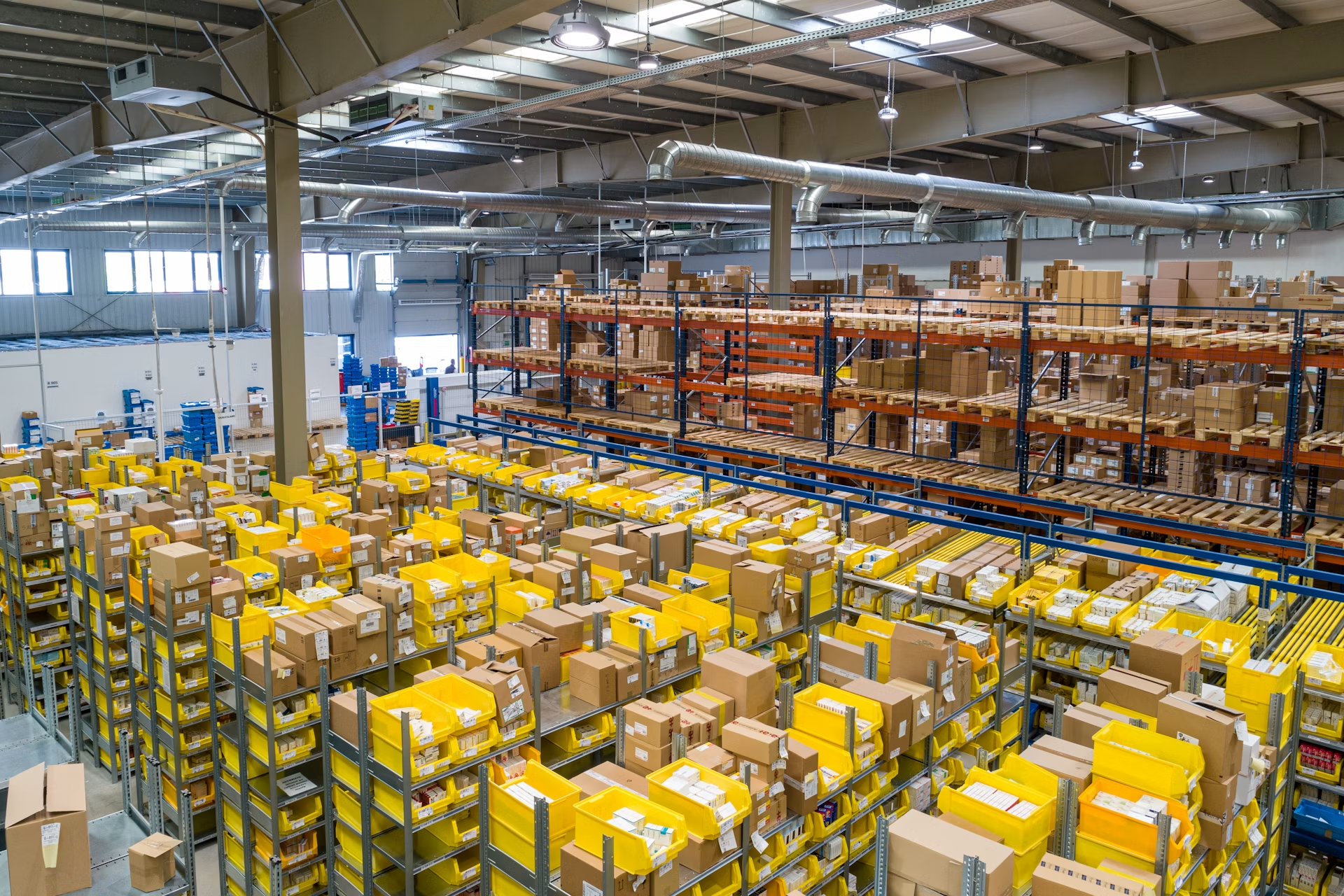
Storage needs depend on your footwear inventory size and how you organize it. As inventory grows, sorting products by size and style can make them easier to locate. Suitable storage can also help protect packaging and make order fulfilment easier to manage.
Good storage practices include:
- Categorize bins by size and style
- Store products away from direct sunlight and excessive heat or moisture
- Use an inventory management system to track products accurately
- Conduct regular inventory reviews to identify slower-moving pairs
As order volume grows, organized storage and consistent inventory practices can make footwear orders easier to manage and fulfill.
Sourcing Footwear Inventory With Maple Liquidation
Finding suitable footwear liquidation inventory is an important part of planning your purchases. At Maple Liquidation, Canadian resellers can review the available information for individual lots, including product photos, listing details, and category information where provided. These details can help buyers evaluate whether a particular footwear lot fits their resale plans.
Depending on the available inventory, resellers may find:
- Available footwear inventory listed by lot
- Product photos for reviewing available inventory
- Listing and category information for individual lots
- Customer support for questions about available inventory
Interested in exploring available footwear inventory? Contact us to learn more.
Stepping Into Footwear Resale With Confidence
Almost every resale category has its own characteristics, and footwear is no different. Pricing and size accuracy add another layer that many other categories don’t require.
Paying attention to these details early can help resellers develop a more organised approach to their resale business. Careful sourcing, inventory management, and pricing can help resellers decide whether footwear fits within their broader resale strategy.
Frequently Asked Questions
Do wholesale footwear pallets contain kids’ shoes?
Some footwear lots may contain kids’ sizes, but this varies from pallet to pallet. Review the available product photos, listing details, category information, and other information provided for the specific lot to understand what may be included.
What is the biggest risk when buying shoe pallets?
One consideration is purchasing a lot without fully understanding its product mix or condition. Review available product photos, listing details, category information, and other provided lot information to reduce surprises.
Are athletic and casual shoes sold in the same pallets?
This depends on the specific lot. Some footwear lots may focus on particular styles, while others may contain a broader mix. Review the available listing information to understand the product mix before purchasing.
How can I assess demand for a shoe brand?
Recognizable brands may attract buyer interest, but demand can vary by style, size, condition, and market. Checking comparable completed sales can help you assess current demand and pricing.
Can shoes with condition issues be resold?
Whether a pair is suitable for resale depends on its specific condition and product details. Review each pair carefully and consider how its condition should be described and priced before listing it.