
Quick AnswerInvesting in wholesale clothing pallets in Canada directly involves sourcing mixed apparel lots from shelf pulls, overstock, and returns at half the retail price. It then goes through individual items on online marketplaces, bin stores or local pop-ups for reselling. Success funnels down to choosing a reliable supplier, knowing the grades, and pricing resold items strategically for steadier margins. |
Clothing is considered one of the most consistently in-demand categories across the resale world. It has good reasons for this. Every season adds to a new wave of overstock, returns, and shelf-pull inventory from major Canadian retailers. This creates a steady supply of apparel that resellers buy in bulk and sell individually for considerable profit.
For those who are new to sourcing this type of inventory, knowing how the process works, from finding a reliable supplier to pricing resold items, makes a huge difference between a profitable venture and a frustrating one. In today’s guide, we’ll break down everything you need to know about buying and reselling wholesale clothing pallets in Canada. Each point points you in the direction of a specific inventory that’s worth exploring first.
What Makes Clothing Pallets a Smart Resale Category
Clothing pallets consistently outperform several other resale categories because demand for apparel never slows down, no matter the season. Buyers can now access a massive range of sizes, styles, and brands with a single purchase.
This appealing category is ideal for resellers for a few specific reasons, such as:
- Consistent, year-round demand across every target customer
- Massive variety of available resale channels
- Lower per-unit costs compared to individual retail
- Flexibility in specializing in specific clothing niches
Getting a clear insight into these advantages early can help set realistic expectations before your first wholesale clothing pallet purchase. Success in this category heavily relies on preparation and sourcing quality.
Exploring the full range of the clothing & apparel category on platforms such as wholesale liquidation pallets in Canada is a great starting point for seeing what’s available before you make your first purchase.
The Noticeable Apparel Resale Market Expansion
Source: The Business Research Company, “Apparel Resale Global Market Report”
This long-term growth indicates the growing demand for resold apparel that’s more than a fad. It’s a market worth planning for long-term.
Comparing Grades Before You Buy
Almost every wholesale clothing pallet is graded differently. So, understanding each grade’s average cost versus its resale potential can help you choose the right option for your budget.
Aligning the right grade to your resale channel and targeting customers matters more than just chasing the lowest price per pallet.
The Complete Playbook for Buying and Reselling Apparel Pallets
Here are the main areas covering almost everything from initial sourcing to turning a profit on your initial batch of inventory.
Understanding Clothing Pallet Grading
Generally, clothing pallets are graded based on their origin and condition. It ranges from brand-new overstock to lightly used customer returns. Clear insight into these grades before you buy can help set accurate expectations about what you’ll receive and how to price it.
Common grading categories include:
- Brand new, unworn items in overstock
- Shelf pulls with intact original tags
- Customer returns in varied conditions
- Mixed lots that combine several grade types
Selecting the right grade for your target resale channel makes a huge difference in your upfront costs and expected margin. A listing such as a mixed footwear & apparel pallet reveals how mixed-grade lots combine several categories in a single purchase.
Sourcing From a Reliable Supplier
Not all clothing pallet suppliers would operate with the same amount of clarity. Choosing the wrong one often turns a promising purchase into a significant loss. Verifying every manifest and review upfront can safeguard your investment.
A trustworthy supplier typically offers:
- Comprehensive manifest listing item categories
- Defined photos of actual inventory
- Clear grading that’s disclosed upfront
- Responsive customer service for every question
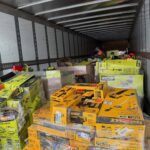
Buyers exploring larger-volume purchases often seek overstock truckloads in Canada to secure better per-unit pricing once they’re prepared to scale beyond individual pallets.
Sorting and Categorizing Your Inventory
Once your pallets hit your stock, sorting items by style, size, and condition makes the overall reselling process more efficient and organized. Skipping this step will cost you time later.
Effective sorting typically involves:
- Categorizing items by gender and size
- Grouping identical styles together
- Setting aside damaged or unsellable pieces
- Photographing items for online listings
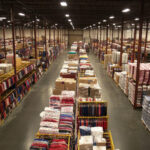
A unified sorting system can save a lot of time as your inventory expands, and it’s the primary reason why choosing the best wholesale liquidation warehouse matters. Consistent lot quality makes sorting easier and more organized over time.
Pricing Items for Maximum Profit
Pricing resold clothing needs balancing competitive rates with healthier margins. Overpricing will slow down sales, while underpricing will not lead to profit. Researching comparable listings can help you find the right balance.
Effective pricing strategies include:
- Exploring different comparable listings before pricing
- Adjusting prices based on brand recognition
- Bundling similar items for rapid sales
- Offering considerable discounts on slower-moving inventory
A consistent pricing strategy moves wholesale clothing inventory faster than guesswork.
Choosing the Right Resale Channels
Different resale channels often match different types of clothing inventory, from online marketplaces to local bin stores and pop-up events. Aligning your inventory with the right channel can maximize sell-through.
Popular resale channels include:
- Online marketplaces for individual items
- Local bin stores for bulk turnovers
- Pop-up events for seasonal inventory
- Wholesale resale for other buyer types
Testing multiple channels sooner can help you identify which options work best for your specific inventory. Resellers often look to diversify beyond apparel by exploring how to buy electronics by the pallet in Canada, for instance. This is especially true when they seek complementary categories once their clothing resale channels are running smoothly.
Managing Inventory and Storage
Clothing pallets consume considerable space. So, organized storage is key as your inventory grows. Lack of proper storage practices can damage items and slow your entire fulfillment process.
Good storage practices include:
- Label all your bins based on category and size
- Climate-controlled storage is ideal for delicate fabrics
- Inventory tracking systems for more accuracy
- Regular audits for identifying slow movers
Efficient storage keeps your operation organized as order volume grows. Most resellers expand their storage system to accommodate adjacent categories, such as shoes and fashion selection, as their business grows.
Scaling Your Clothing Resale Business
Once the process is established, scaling up means purchasing higher volumes and potentially diversifying into relevant categories such as footwear. Growth should happen gradually to avoid overextending resources.
Scaling strategies typically involve:
- Gradually increasing order volume
- Diversifying into other product categories
- Establishing relationships with consistent suppliers
- Reinvesting profits into inventory expansion
Slow growth proves profit is long-term, rather than scaling quickly before your systems are prepared to support it.
How Maple Liquidation Supports Canadian Clothing Resellers
Locating a reliable source for wholesale clothing pallets in Canada is often the biggest challenge that new resellers face. Inconsistent quality or vague manifests can quickly erode profit margins. At Maple Liquidation, we step in to resolve this issue for resellers across Canada.
Collaborating with us generally means that you gain access to:
- Verified manifests for every listed pallet
- Transparent grading disclosed on each listing
- Fast, reliable shipping across Canada
- Responsive support for buyer questions
Contact us today to explore our current clothing pallet inventory and start building your resale business with confidence.
Building a Resale Business That Lasts
Every reseller’s path looks a bit different. It’s mostly shaped by the channels they choose and how soon they’re willing to scale. What matters most is treating every purchase as a learning opportunity that refines your process each time. Approached this way, clothing resale becomes a truly long-term business.
Frequently Asked Questions
Do wholesale clothing pallets include children’s clothing?
Some lots include children’s apparel, though this varies by pallet, so checking the manifest beforehand helps confirm exact category breakdowns.
Is it better to buy a single pallet or a full truckload for clothing resale?
Most new resellers start with a single pallet to test demand before committing to truckload volume once their resale process is established.
How quickly can clothing inventory typically sell after purchase?
Sell-through speed varies by season and channel, though well-priced, well-photographed items often move within the first few weeks.
Are name-brand items common in wholesale clothing pallets?
Yes, many lots include recognizable retail brands, though the specific brands present depend on which pallet and supplier you choose.
What should I do with items that don’t sell?
Unsold items can often be bundled at a discount, donated, or held for seasonal demand shifts, depending on your available storage capacity.