
Quick Answer
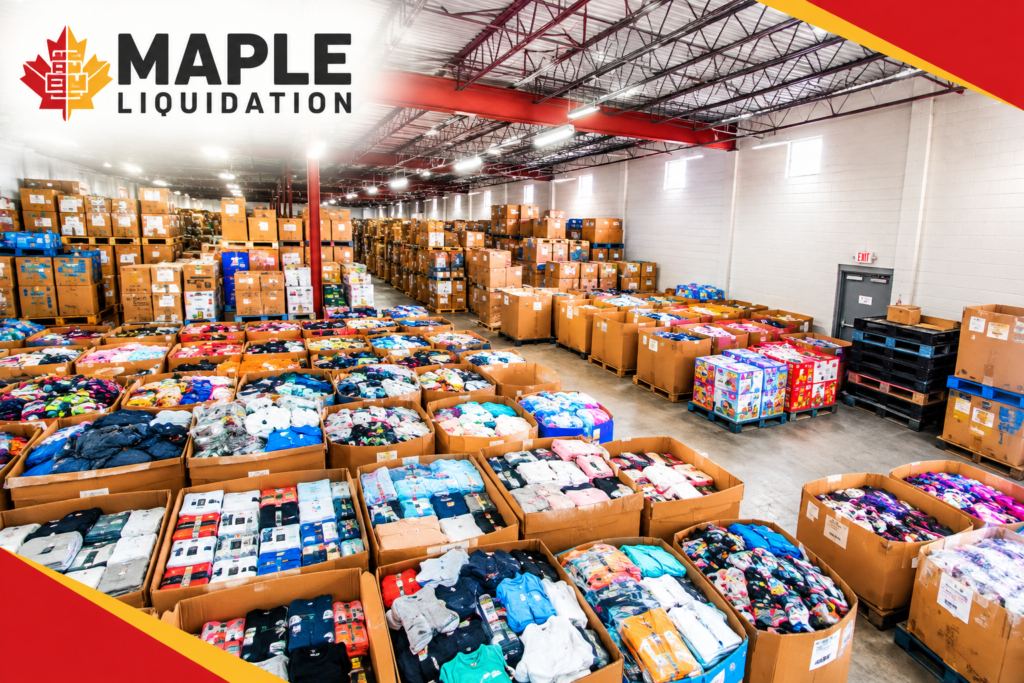
Sourcing wholesale apparel in Canada usually means buying overstock, shelf pulls, and closeout merchandise, with some lots also including customer returns. Before ordering, check the condition wording, estimated quantity, and shipping details for the specific lot, and make sure it suits your resale channel.
Clothing is one of the more consistently searched resale categories in Canada, covering everyday basics as well as seasonal and specialty pieces. That steady interest makes apparel worth understanding before a first purchase or an expansion. This guide covers where apparel inventory comes from, how to read condition terms, and what to check before you order wholesale apparel in Canada.
Understanding Where Wholesale Apparel Inventory Comes From
Wholesale apparel inventory generally falls into a few recognizable categories, each shaped by how it originally left its retail environment. With those sources in mind, the next step is deciding which kinds of lots fit your resale plans.
Apparel inventory available through liquidation channels typically includes:
- Overstock from excess seasonal production
- Shelf pulls removed to make room for new stock
- Closeout merchandise from discontinued lines
- Customer returns processed by original retailers
Understanding these categories upfront helps set realistic expectations before exploring Wholesale Apparel Canada inventory listings in more detail.
Browsing the full Clothing & Apparel category offers a look at current listings and how they’re typically organized.
According to Statistics Canada retail trade data, clothing and clothing accessories retailers across the country saw sales increase by 5.4 percent year over year in 2026. This steady growth suggests apparel demand has remained resilient despite broader economic pressures.
A Practical Approach to Sourcing Wholesale Apparel
These areas cover the decisions that typically matter most once you’re ready to start sourcing clothing inventory.
Your Pre-Purchase Checklist
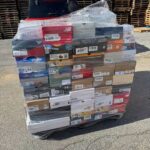
Listing details, including photos and available category information, give resellers a general sense of what a lot includes before they buy. Taking time to review this information carefully helps set realistic expectations about the inventory before it arrives.
Before you add a lot to your order, a few quick checks can prevent surprises. Start with these:
- Item type and category (tops, bottoms, outerwear, mixed apparel)
- Estimated quantity or unit count, and whether it is stated as approximate
- Condition wording, such as overstock, shelf pull, closeout, or customer return
- Whether the photos show the actual lot or are representative
- Size and gender mix, if the listing states it
- Shipping cost and delivery timing to your location
If the listing leaves any of these unclear, ask before buying. It also helps to picture where the items will sell, since a lot suited to online listings may not suit a local shop. Checking the New Arrivals page from time to time can also help you spot newly listed apparel lots.
Understanding Product Conditions
Apparel lots are often labeled using grading terms that describe general product condition, such as overstock, shelf pull, or customer return. Understanding what these terms typically mean helps set more accurate expectations about what a specific lot may include.
Common grading terms include:
- Overstock or excess inventory
- Shelf pulls with retail handling
- Closeout or discontinued merchandise
- Customer returns, where noted in the listing
Grading terms aren’t standardized across suppliers, so the wording in each listing matters more than the label alone.
A General Overview of Common Apparel Inventory Types
The table below offers a general summary of what these inventory types tend to involve, though specifics vary by listing.
| Inventory Type | General Description | Typical Consideration |
| Overstock | Surplus stock from original production runs | Often unused, though quantities vary by lot |
| Shelf pulls | Items removed from shelves to make room for new stock | May show light handling from being displayed |
| Closeout merchandise | Products from discontinued lines or styles | Style availability may be limited or seasonal |
| Customer returns | Items returned by customers to the original retailer | Condition varies by lot, so check the listing notes |
These descriptions are general, and what a specific lot contains depends on its listing.
Pricing Apparel for Resale
Pricing resold apparel typically involves considering brand recognition, item condition, and current interest in similar pieces available elsewhere. Research comparable listings across a few sources to set a reasonable starting price.
Factors that often influence pricing include:
- Brand recognition and label popularity
- Condition relative to original retail
- Seasonal relevance of specific items
- Bundling potential for similar pieces
Comparing wholesale clothing pallets in Canada with completed resale prices gives a more realistic picture of what similar items sell for.
Choosing the Right Resale Channel
Different resale channels tend to suit different types of apparel, with online marketplaces often working well for individual pieces and local channels sometimes better suited to bulk or bundled lots. Matching inventory to the right channel is a decision worth thinking through early on.
Channels commonly used for apparel resale include:
- Online marketplaces for individual listings
- Local resale shops or consignment stores
- Bundled lots for other resellers
- Pop-up or seasonal sales events
Testing more than one channel early on can help you get a clearer sense of which options tend to work best for your specific inventory.
Approaching Your First Purchase Thoughtfully
Starting with a smaller purchase can be a reasonable way to get familiar with a supplier’s listings and general grading approach before committing to larger volume. This lower-commitment approach often works well for resellers new to the category.
A thoughtful first purchase often involves:
- Starting with a manageable lot size
- Confirming quantity and condition wording
- Setting a realistic initial budget
- Learning from the experience for next time
Investing in liquidation pallets works best when building up gradually, letting each order inform the next, from what sells to how much stock you can comfortably handle.
Diversifying Beyond a Single Category
Many resellers eventually look to diversify beyond apparel into related or complementary categories, which can help balance interest across different types of buyers over time. This is often a gradual process rather than an immediate, wholesale shift.
Categories some resellers explore alongside apparel include:
- Footwear and related accessories
- General home and household goods
- Seasonal or holiday merchandise
- Health and beauty products
Resellers exploring this kind of expansion sometimes look into the Shoes & Fashion category as a natural complement to clothing inventory.
Managing Apparel Inventory and Storage
Clothing inventory benefits from organized, accessible storage as quantities grow, especially when you’re managing a wide mix of sizes, styles, and seasons at once. Basic organization can make a noticeable difference in how efficiently you fulfil orders.
Helpful storage practices include:
- Sorting by size or category
- Clean, dry storage conditions
- Simple inventory tracking methods
- Periodic review of slower-moving items
Keeping inventory organized from the start makes the overall resale process much more manageable as volume increases.
What to Expect When Working With Maple Liquidation
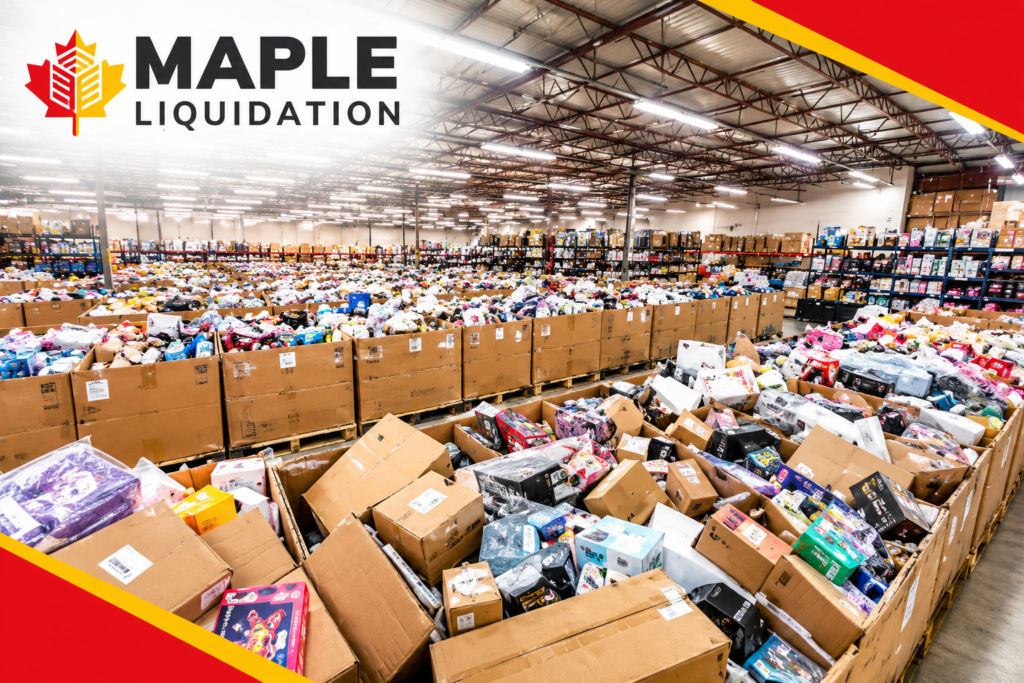
Clear lot information makes apparel sourcing easier to plan. Maple Liquidation supplies Canadian resellers with lot details and current photos to support each purchase decision.
Working with Maple Liquidation typically includes access to:
- Current lot photos and listing details
- Canada-wide shipping information
- Multi-pallet options where available
- Customer support for pre-purchase questions
Contact us today to browse current apparel listings and ask questions before you buy.
Approaching Wholesale Apparel Sourcing With a Clear Plan
Sourcing wholesale apparel involves a learning curve, and taking time to review listings and understand grading terminology can make the process much smoother. Resellers who approach this category thoughtfully, starting with manageable purchases and building experience gradually, tend to develop a clearer sense of what genuinely works for their specific resale approach over time.
There’s no single right way to source or resell apparel, and finding an approach that fits your own goals is often more valuable than rushing toward volume.
Frequently Asked Questions
How is wholesale apparel priced?
Pricing varies by lot, depending on brand mix, condition, and quantity, so the listing is the best guide.
Can resellers request specific brands or item types?
Availability depends on current inventory, and while specific requests aren’t always possible to accommodate, browsing current listings can help you find lots that fit your particular interests.
Are quantities exact or estimated?
Many listings give an estimated quantity, so check whether the number shown is exact or approximate before ordering.
Do the photos show the actual lot?
That depends on the listing. Photos may show the actual items or examples of what’s included, so check the listing’s wording.
What should I know about condition and manifests?
Condition is described in the listing. Manifest availability depends on the specific lot, so ask support if you need more detail.