
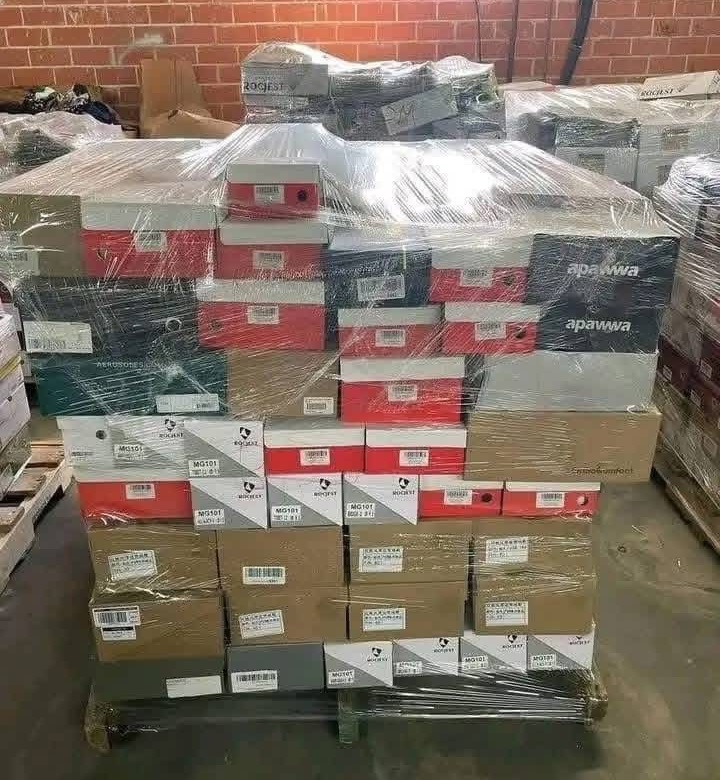
| QUICK ANSWER Canadian resellers can source wholesale liquidation pallets by choosing a credible supplier, matching inventory to their sales channels, checking condition and manifests, and calculating landed costs. Start with a small lot, test actual resale demand, and scale only after tracking results. |
For a resale business, the most expensive inventory is often the stock that never sells. A pallet can look like a bargain until shipping, testing, returns, and slow-moving products consume the margin. Successful sourcing starts with knowing your customers and understanding exactly what information is, and is not, available about each lot.
At Maple Liquidation, we help Canadian resellers explore bulk merchandise without sourcing individual products one at a time. Our wholesale liquidation pallets span several product categories, with individual listings that buyers can review before ordering.
What Are Wholesale Liquidation Pallets?
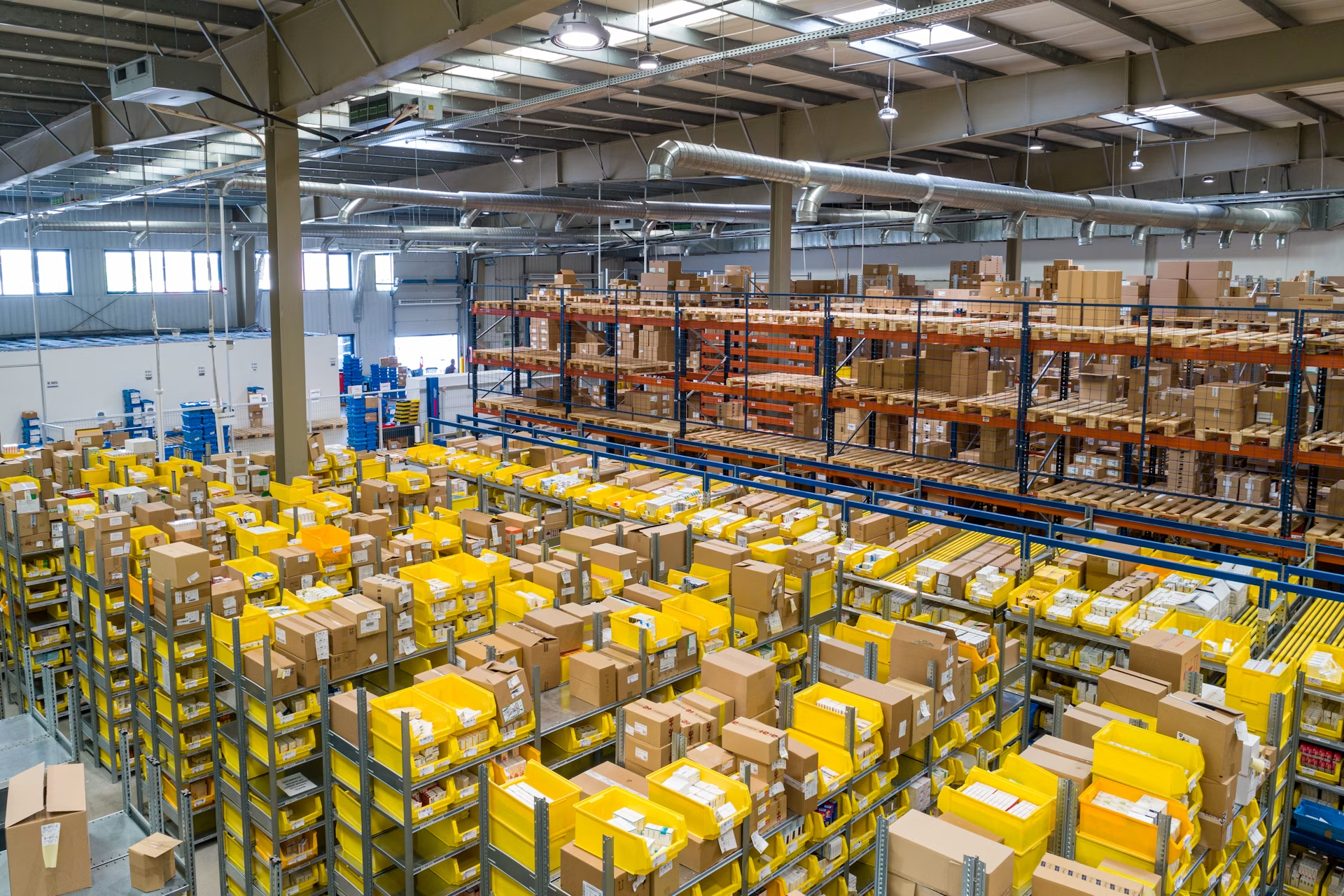
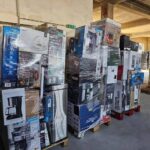
Wholesale liquidation pallets are grouped lots of merchandise sold outside ordinary retail channels. Retailers and distributors may liquidate excess stock, shelf pulls, discontinued goods, or customer returns to recover space and working capital. A single pallet may contain multiple brands, product types, and conditions.
Overstock generally refers to surplus merchandise, while shelf pulls have been removed from retail displays or shelves. Customer returns are more unpredictable: products may be unopened, used, incomplete, damaged, or unsellable. Those differences affect how much time, expertise, and cash a reseller needs after delivery.
1. Start With the Category You Know How to Sell
The smartest first purchase is not necessarily the cheapest pallet. Choose products that fit the buyers you can already reach. A local seller may move larger appliances through pickup listings; an online retailer might prefer compact products that are easier to pack. Specialized equipment can command interest, but it also requires more testing knowledge.
If your customers look for headphones, displays, or accessories, explore our electronics and gadgets pallets. Buyers focused on household essentials can compare home and kitchen appliance pallets. For hardware shops and tool resellers, our tools and hardware inventory offers a different mix of potential resale opportunities.
Fashion sellers can evaluate clothing and apparel lots or footwear liquidation pallets. Discount stores and seasonal sellers may find a better match among our toys and general merchandise pallets. Availability changes, so treat category pages as places to compare current listings, not promises of specific brands or quantities.
2. Examine Actual Pallet Listings, Not Just Category Names
A category tells you where to begin; the individual listing tells you what you are considering. Compare descriptions, photos, stated condition, included accessories, and any available manifest. If a manifest is provided, use it to estimate product counts and identify high-value items. Do not assume every lot includes one.
For example, our Home & Kitchen Appliances Pallet #155 describes a mix including air fryers, foot massagers, and microwaves. Its listing also states that no manifest is supplied and the lot is sold as-is. That distinction matters: photographs and descriptions help buyers assess a pallet, but untested returns can still require repair or disposal.
Likewise, our Hardware & Outdoor Equipment Assortment Pallet #165 illustrates why buyers should assess tools differently from household goods. An outdoor equipment lot may need more storage, testing space, and technical familiarity than a box of small accessories. Read the condition notes before calculating resale value.
3. Understand the Risk Behind Each Condition Grade
New or overstock inventory may need relatively little preparation, although packaging and completeness still deserve checking. Shelf pulls can have scuffed boxes or missing retail labels. Customer returns require the greatest caution because functionality and completeness may be unknown.
Our listings may describe mixed returns and overstock as untested and sold as-is, with no exchanges or refunds. Never base your budget on the assumption that every unit works. A realistic estimate should include damaged items, missing parts, and products that cannot legally or safely be resold.
If you are new to returned merchandise, our guide to buying and selling return pallets offers additional context on sorting and reselling this kind of inventory.
4. Work Out the Landed Cost and Break-Even Point
A pallet price alone cannot tell you whether a purchase makes business sense. Add shipping or pickup, applicable taxes, packaging, marketplace commissions, payment fees, testing supplies, repairs, storage, and disposal. Then estimate what portion of the inventory is realistically sellable.
Suppose a lot costs $1,000 and freight plus supplies cost $250. You have committed $1,250 before marketplace fees and labor. If 40 items can be sold, your initial average acquisition cost is $31.25 per sellable item, not $25. If some of those 40 items need repairs or remain unsold, the effective cost of each completed sale rises.
Check our shipping details before you place an order. Freight requirements and delivery arrangements can change the economics, especially for large or heavy pallets. Build a buffer into your forecast instead of treating the best-case selling price as guaranteed income.
5. Research Demand Before Committing Cash
Look at what buyers have actually purchased, not just what competing sellers are asking. Review completed sales where available, local listing activity, and seasonal demand. A popular brand does not automatically mean an older model or incomplete unit will sell quickly.
6. Choose a Supplier With Clear Terms
Before paying, check the supplier’s contact details, listing photos, grading notes, shipping arrangements, and return conditions. Be wary of anyone promising guaranteed profits or refusing to explain whether a lot is tested. A legitimate listing should give you enough information to decide whether the uncertainty is acceptable.
At Maple Liquidation, buyers can review our pallet catalogue and compare products across categories. We also provide information about larger truckload purchases for established businesses that can handle higher volume. We recommend confirming details for the specific lot rather than assuming all inventory is packaged or documented the same way.
7. Build a Receiving and Resale Routine
Prepare a sorting area before delivery. Photograph the received goods, record condition and assign each item a simple inventory number. Separate products that are ready to list from those requiring testing, cleaning, repairs or responsible disposal. Keep the original listing and order documentation for reference.
When listing products, describe defects clearly and avoid calling an untested item “fully working.” For electrical products, children’s goods and other regulated categories, check applicable safety and recall requirements. The Government of Canada recalls and safety alerts database is a useful checkpoint before putting questionable stock back into circulation.
Track purchase cost, shipping allocation, sale price, fees, refunds and days to sell. After one or two pallets, you will have evidence about which categories work for your customers. That data is more useful than a broad claim about typical liquidation profits.
8. Scale Only When Your Numbers Support It
A second pallet should be a deliberate restock decision. Identify the categories with strong sell-through, low defect rates and manageable fulfillment costs. Keep some cash available for refunds and operating expenses rather than reinvesting every dollar immediately.
For sellers ready to explore bigger volumes, our guide to overstock truckloads in Canada explains how larger bulk purchases differ from individual pallets. Truckloads can improve purchasing efficiency, but they also increase storage, labour and cash-flow demands.
Source Inventory With a Plan, Not a Guess
Wholesale liquidation pallets can be a practical way to diversify resale inventory, provided each purchase is evaluated on its own merits. Start with the products you understand, check the lot details, calculate the full cost and plan for imperfect merchandise. Then let your real sales data guide the next order.
Explore Maple Liquidation’s available pallets to compare current lots, or contact our team with questions about a particular purchase.
Frequently Asked Questions
Are wholesale liquidation pallets suitable for beginners?
Yes, provided you start with a manageable lot, understand the as-is risks, and have a clear sales channel. Do not commit funds you cannot afford to have tied up in unsold stock.
Does every liquidation pallet come with a manifest?
No. Some lots have manifests, while others rely on descriptions and photographs. Always check the specific product page before ordering.
What kinds of pallets can I buy from Maple Liquidation?
Our categories include electronics, home and kitchen appliances, tools, apparel, footwear, toys, and general merchandise. Specific products and availability change.
Can I make a profit reselling customer returns?
It is possible, but not guaranteed. Returns may be damaged, incomplete, or unsellable, so profits depend on condition, purchase cost, resale demand, and operating expenses.
Can pallets be shipped within Canada?
We provide Canada-wide shipping options. Review current shipping information and confirm arrangements for the pallet and destination you choose.
Should I buy a pallet or a truckload?
Start with pallets if you are testing a category or have limited storage. Consider truckloads once your sales history, warehouse capacity and working capital justify the larger commitment.