

| QUICK ANSWER To buy Amazon return pallets in Canada, choose a reputable Canadian liquidation supplier, compare condition notes and manifest availability, and calculate total costs, including shipping, fees, testing, and unsold stock, before ordering. Start with one manageable pallet and scale only when actual resale results support it. |
Introduction
Buying return pallets can give resellers access to discounted merchandise, but a low wholesale price does not automatically make a good deal. The real opportunity lies in choosing inventory that matches your buyers, understanding the condition of the goods, and knowing how you will sell them before the pallet arrives. At Maple Liquidation, we help Canadian resellers explore liquidation inventory across multiple categories. Start with our current pallet inventory and use the steps below to make a more informed decision.
What Are Amazon Return Pallets?
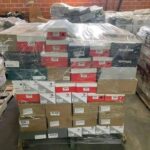
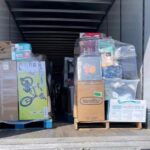
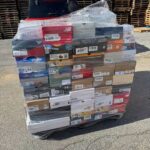
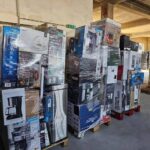
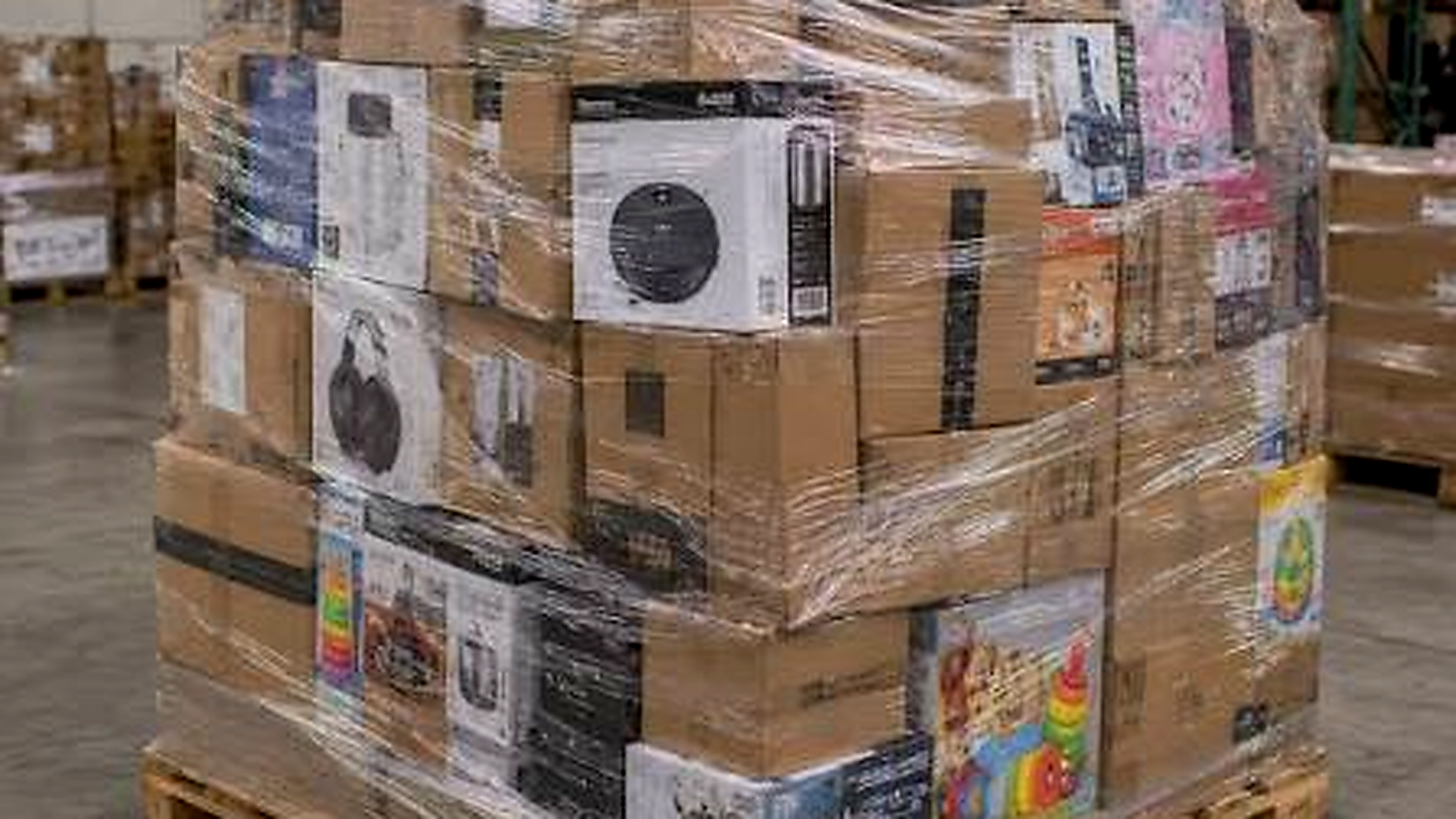
Amazon return pallets are bulk lots of merchandise returned by customers or moved out of regular retail inventory. Depending on the source, a lot may include unopened products, opened-box items, shelf pulls, overstock, customer returns, and incomplete products or goods that need testing. The mix varies from pallet to pallet.
Not every liquidation pallet sold by a Canadian supplier is necessarily an Amazon-origin lot. Read the individual listing and ask about sourcing if the retailer of origin matters to your business. Our broader liquidation pallet catalogue includes varied categories and product mixes, so use each listing’s description, images, and condition notes rather than assuming all pallets have the same source or quality.
1. Choose a Category You Can Resell
Start with the products you know how to evaluate. Electronics can attract buyers, but testing, missing accessories, account locks, and damage can turn a seemingly cheap purchase into a time-consuming project. Home and kitchen products may be easier to demonstrate, while toys, apparel, and footwear can require sorting, completeness checks, sizing, and brand research.
Explore our electronics and gadgets, home and kitchen appliances, tools and hardware, toys and general merchandise, clothing and apparel, and shoes and fashion categories.
You can also browse health and beauty, home decor and general merchandise, or sports and outdoors if those fit your customers. Choose a niche based on your ability to test, store, list, and support products, not simply the apparent retail value.
2. Review the Listing, Photos, and Manifest
A manifest is an itemized list of a lot’s contents. When available, use it to estimate quantities, product mix, and potential resale value. A manifest does not guarantee that every item works or includes all accessories. For unmanifested lots, photographs and written condition notes become especially important. Ask questions before checkout if a detail could materially affect your decision.
For example, our Home & Kitchen Appliances Pallet #155 states that it has no manifest and is sold as-is; the listing says items may range from new or like-new to used, damaged, missing parts, or unsalable. Our Professional Tools & Security Safe Pallet #194 also identifies untested returns and no manifest. Read each listing individually: do not assume every pallet is tested, fully functional, or eligible for exchange or refund.
Check the product mix, condition description, whether photos show the actual lot, quantities if stated, and sale terms. If you need clarification, contact our team before ordering rather than relying on assumptions.
3. Compare Available Pallets and Listed Prices
The examples below were visible in Maple Liquidation’s online catalogue during research. They are examples of available liquidation inventory, not a promise that every lot is Amazon-sourced. Prices and stock can change, so open each listing to confirm current availability and details.
| Example listing | Listed price (CAD) | What it represents |
| Home & Kitchen Liquidation Pallet #149 | $1,350 | Mixed household inventory |
| Children’s Toy Assortment Pallet #107 | $1,399 | Toy category example |
| Mixed Footwear & Apparel Pallet #150 | $1,750 | Apparel and footwear |
| Air Fryer & Kitchen Appliance Pallet #143 | $2,100 | Appliance-focused lot |
| DeWalt Mixed Power Tool & Equipment Pallet #148 | $3,600 | Higher-ticket tools |
4. Calculate Your Real Break-Even Point
Before paying, estimate your landed cost: pallet price + shipping or pickup + taxes where applicable + packaging + testing or repairs + marketplace fees + storage and labor.
Estimate revenue using realistic resale prices, not manufacturer-suggested retail prices. Use completed-sale data where available, and assume some products may take longer to sell or may not be sellable at all.
Example: if a pallet costs $1,350 and freight, supplies, and testing add $300, your starting cost is $1,650 before platform fees and labor. If you sell 25 items for an average of $50 each, gross sales are $1,250, below your initial cost. If you sell 40 items at an average of $55, gross sales reach $2,200, but you must still deduct fees, labor, refunds, and unsold stock. Model conservative, middle, and optimistic outcomes before buying.
If you resell through eBay, check the current seller fee guidance for your category and account type. Fees vary, so include the right rate rather than applying a universal percentage.
5. Choose a Supplier and Understand Delivery
A dependable buying process starts with clear product descriptions, understandable checkout terms, and a way to ask questions and delivery details you can plan around. Browse our available pallets and review our shipping details before ordering. Maple Liquidation advertises Canada-wide shipping; confirm costs and timing for your specific order and destination.
If you are new to liquidation, begin with one pallet rather than a truckload. Once you understand your sell-through rate, storage needs, and average net return, consider larger volumes through our truckload inventory.
6. Prepare to Sort, Test, and List
Prepare a clean sorting area before delivery. Create four groups: ready to list, needs testing or cleaning, suitable for bundles, and unsellable or requiring responsible disposal. Track the product name, condition, allocated cost, listing price, sale price, and time to sell. This helps you identify which categories are worth buying again and which tie up cash.
Test electrical goods safely, check accessories and packaging, photograph items clearly, and disclose defects honestly. For toys, check completeness and applicable safety notices. For health and beauty products, check seals and expiry dates where relevant. Follow marketplace rules and applicable Canadian product-safety requirements. Never describe an untested return as fully functional without evidence.
7. Keep Business Records
Keep purchase invoices, freight receipts, sales records, refunds, and business expense details from the beginning. Tax obligations depend on your circumstances and sales. The Canada Revenue Agency explains the general GST/HST small-supplier threshold and registration timing in its official GST/HST registration guidance. If you are unsure how the rules apply to your resale activity, consult the CRA or a qualified tax professional.
Frequently Asked Questions
Can I buy Amazon return pallets in Canada as a beginner?
Yes. Start with one manageable pallet, choose a category you understand, read the listing carefully, and calculate all costs. Treat the first purchase as a learning exercise, not guaranteed income.
Are all pallets on Maple Liquidation directly from Amazon?
Do not assume every pallet is Amazon-origin. Our catalogue includes liquidation lots across several categories, and descriptions may refer to retail returns and overstock. Check the individual listing and ask us if the source matters to your purchase.
Does every pallet come with a manifest?
No. Manifest availability varies by listing. Some lots explicitly state that no manifest is available and provide photos and condition notes instead.
Are return pallets guaranteed to make a profit?
No. Profit depends on condition, sellable quantity, demand, resale pricing, freight, fees, labor, and unsold stock. Estimate conservatively and avoid buying based only on retail-value claims.
Can Maple Liquidation ship pallets across Canada?
Maple Liquidation advertises Canada-wide shipping. Check the current shipping details and confirm costs and timing for your address and order before checkout.
What is a sensible way to start reselling liquidation inventory?
Pick a category you know, start small, inspect listing information, test goods on arrival, track every cost, and reinvest only after actual sales show which inventory works.
Find Your First Pallet
The best first purchase is not necessarily the biggest lot or the one with the highest claimed retail value. It is the lot you can evaluate, store, and sell with a clear plan. Compare condition and costs, review current stock, and keep records so each purchase improves the next decision. Explore Maple Liquidation’s pallet catalogue or contact our team if you need clarification before ordering.