
Quick AnswerWholesale General Merchandise lets Canadian resellers source mixed liquidation inventory across household, kitchen, electronics, seasonal, and everyday categories. Buy by assortment fit, selling format, handling effort, and total cost, not simply by pallet size or apparent product count. |
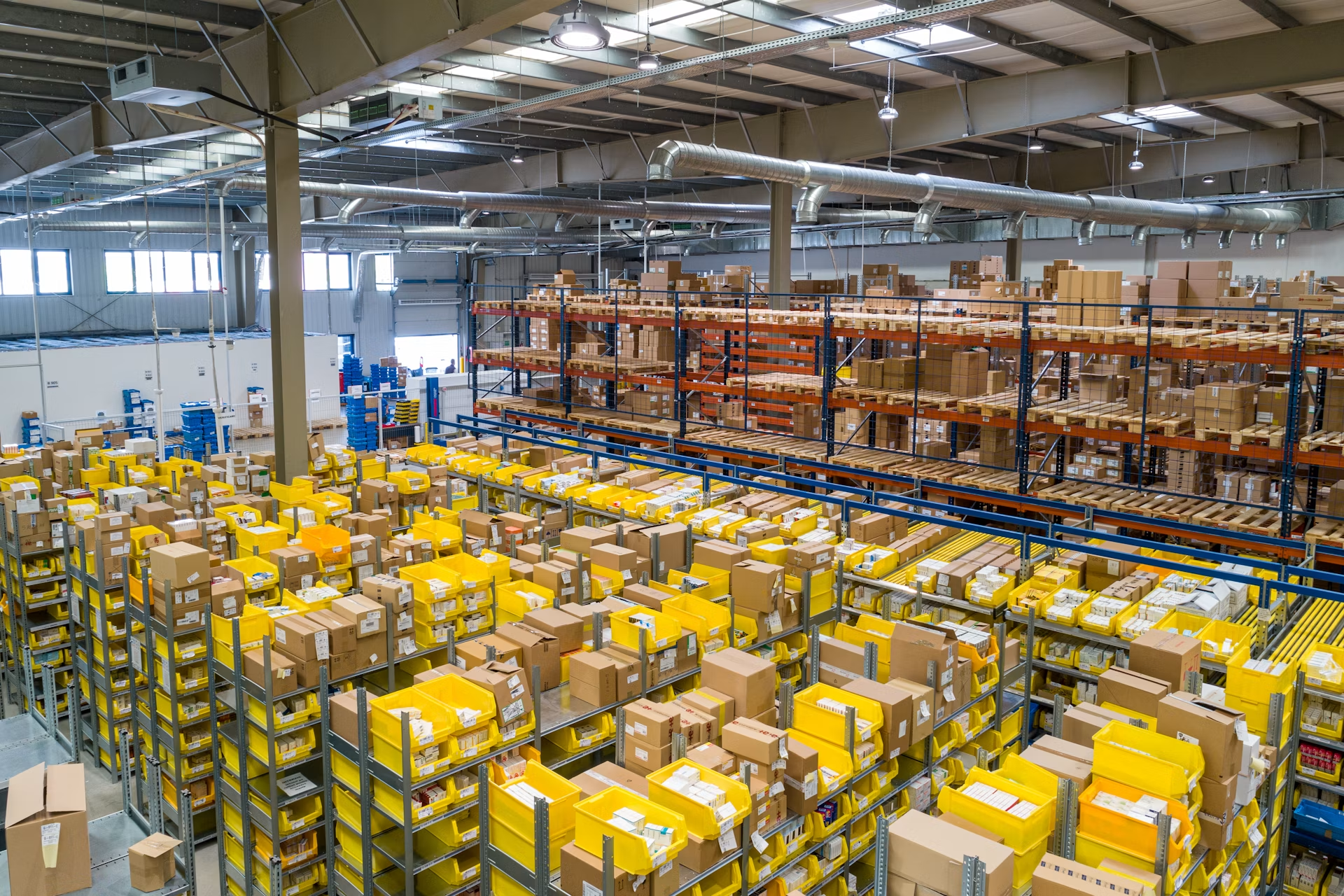
Mixed inventory can suit resale businesses that serve more than one buyer type. One lot may contain household items, kitchen products, small electronics, décor, seasonal goods, or other everyday merchandise, creating several merchandising options.
The challenge is controlling that variety. Buying Wholesale General Merchandise successfully means deciding how much category spread your business can absorb, which items deserve individual listings, what to bundle, and where to sell each product.
What Mixed General Merchandise Changes for a Reseller
General merchandise does not behave like a single-category purchase. A home organizer, appliance, toy, and electronic accessory can require different pricing research, photos, storage locations, and fulfilment methods even when they arrive together.
Depending on the listing, merchandise may include overstock, shelf pulls, closeout, excess stock, and customer returns. Buyers should judge the assortment shown rather than assume every mixed lot follows the same pattern.
CIRA’s 2026 Canadian Internet Trends report found that 86% of Canadian internet users made an online purchase in the previous year. Among online shoppers, 62% considered cost or savings important, 54% considered shipping costs, and 47% considered item availability. Those figures provide useful context for online pricing and fulfilment decisions.
Build a Mixed-Inventory Buying Plan Before You Order
Mixed lots become easier to manage when the reseller sets rules for category balance, listing effort, storage, and sales channels before purchasing. The goal is to turn an assortment into a workable retail plan, not treat every item the same.
Buy for Category Balance, Not Just Pallet Size
A large pallet is not automatically the better purchase. Look at the balance between household products, kitchenware, electronics, toys, décor, seasonal merchandise, and other categories shown.
Before choosing a lot, decide how much of each category you can handle:
- Categories already familiar to your business
- Products that fit your current customer base
- Items requiring specialist product knowledge
- Bulky goods needing extra storage
- Categories that would be completely new
The Mixed Home Goods & Kitchenware Pallet #103 currently includes cookware, an air fryer oven, a water-park product, and a heating wrap. That mix illustrates why category balance matters more than simply counting visible products.

Set a Minimum Listing Value for Individual Products
Mixed pallets can contain products with very different price points. Listing every item separately may consume more time than the business wants to spend on photography, copy, customer messages, packing, and order processing.
Create a rule for when an item earns its own listing:
- Expected selling price justifies the work involved
- Brand or model information supports comparison shopping
- The product photographs clearly on its own
- Shipping is practical for the chosen platform
- The item makes less sense in a related bundle
For smaller, family-oriented merchandise, the Toys & General Merchandise category helps resellers compare whether certain products fit standalone listings, bundles, or a broader mixed-store assortment.
Separate Parcel-Friendly Goods From Local-Sale Inventory
One mixed pallet can contain easy-to-ship products alongside items that are awkward or expensive to send across Canada. Sorting by fulfilment method early keeps shipping decisions from becoming an afterthought.
A practical first sort can separate:
- Standard parcel items
- Oversized parcel products
- Local pickup items
- Products better suited to in-store display
- Items needing delivery planning before listing
Resellers regularly encountering appliance-heavy goods can compare them with Maple Liquidation’s Home & Kitchen Appliances category and decide whether specialized sourcing would simplify future purchasing.
Turn the Assortment Into Merchandising Roles
Instead of sorting only by product category, assign items a job inside the resale business. This creates a clearer plan for pricing and presentation once you receive the lot.
Useful merchandising roles include:
- Anchor products for prominent individual listings
- Add-on products that complement another purchase
- Bundle items sharing a practical use
- Local-sale products that are costly to ship
- Seasonal items for a later selling window
This method helps prevent a mixed lot from becoming an unstructured collection of products waiting for attention.
| Merchandising Role | Best Use in a Mixed Lot | Example Decision |
| Anchor product | Draw attention as an individual listing | Give it detailed photos and product-specific copy |
| Add-on product | Complement another purchase | Place it near a related category or checkout offer |
| Bundle item | Reduce listing effort for related lower-value goods | Group only products with a clear shared use |
| Local-sale item | Avoid impractical shipping | Offer pickup or local delivery where suitable |
| Seasonal item | Hold for a more relevant selling period | Store and schedule the listing deliberately |
Know When a Home-Heavy Lot Needs a Different Strategy
A mixed pallet can technically be general merchandise while leaning strongly toward one use case. If kitchenware, cleaning products, storage goods, bedding, or home accessories dominate, the reseller may need a home-focused merchandising plan.
Signs that a lot deserves that approach include:
- Most products serve household routines
- Several items can be displayed by room or use
- Likely buyers overlap with existing home customers
- Product photography works better in home-related groups
- The assortment supports practical bundles
Resellers who repeatedly source this type of stock can use the Home Goods Liquidation Pallets guide to compare a narrower home-focused approach with broader general merchandise buying.
Give Electronics a Separate Identification Workflow
Electronics inside a mixed pallet usually need more exact identification than ordinary household goods. Model names, visible specifications, accessories, and compatibility information may affect how you describe the product.
Create a separate check for electronic items that records:
- Brand and model name
- Visible technical information
- Accessories or components shown
- Packaging details where relevant
- Appropriate sales channel
If electronics become a meaningful share of your mixed purchases, comparing them with the Electronics & Gadgets category can help determine whether a dedicated category purchase would be easier to merchandise.
Research Retailer-Origin Inventory as a Separate Buying Route
General merchandise describes a product mix, while retailer-origin liquidation describes where inventory comes from. The two can overlap, but they are not the same sourcing strategy.
When comparing retailer-origin opportunities, look at:
- Categories shown in the specific lot
- Available product photos
- Lot-level descriptions
- Shipping information
- Fit with current resale channels
Resellers researching how to buy Amazon Liquidation Pallets in Canada helps buyers decide whether they want broad mixed merchandise, retailer-specific inventory, or both.
Review Category Yield Before Buying Another Mixed Lot
After the first sales cycle, review which parts of the assortment justified their share of budget, space, and listing time. The purpose is to improve the next buying decision using your own records.
Useful measures can include:
- Number of listings created by category
- Time needed to prepare those listings
- Space occupied by each product group
- Number of buyer enquiries
- Share of local versus shipped sales
This review can show whether continued variety suits the business or whether a narrower mix would be easier to manage next time.
Why Maple Liquidation Is a Practical Source for Mixed-Merchandise Buyers
Mixed-inventory buyers need listing-level information to judge whether a lot fits their selling model. Maple Liquidation’s Home Decor & General Merchandise category brings together assortments that buyers can review individually before purchase.
Use the available information to make these checks:
- Study listing photography to understand the visible category spread
- Read lot-specific notes for identified products or brands
- Compare listings instead of assuming every mixed pallet is similar
- Review shipping details against order size and destination
- Contact customer support when a listing-specific detail needs clarification
These checks keep the decision tied to the lot rather than broad assumptions about mixed liquidation inventory. Contact us today if you want clarification about a current general merchandise listing or shipping details before ordering.
Build a General Merchandise Assortment That Has a Clear Job
Wholesale General Merchandise works best when the reseller knows why mixed inventory belongs in the business. Variety can support multiple customer groups when products are sorted into clear categories, merchandising roles, fulfilment routes, and price bands.
Canadian resellers can review Maple Liquidation’s current Home Decor & General Merchandise inventory, then compare each lot carefully with their category limits, storage space, and listing capacity. The goal is to buy an assortment that fits a process the business can manage.
Frequently Asked Questions
How do I know if a mixed pallet is too broad for my store?
It may be too broad if several categories fall outside your customer base, storage setup, pricing knowledge, or existing sales channels.
Should products from one mixed pallet be sold through different channels?
Yes. Channel choice can vary by item size, shipping cost, product value, buyer type, and the selling tools your business already uses.
When should low-priced general merchandise be bundled?
Bundling can make sense when related items share a clear use or customer and individual listings would require disproportionate effort.
How can I tell whether a mixed lot should be treated as home goods?
Look at the dominant product types. If household, kitchen, cleaning, storage, or décor items lead the assortment, a home-focused plan may fit better.
What should I review before ordering another general merchandise pallet?
Review category mix, listing workload, storage use, enquiries, fulfilment patterns, and remaining stock before deciding what type of assortment to buy next.