

Quick Answer
Sporting goods liquidation pallets can give Canadian resellers access to athletic equipment, fitness gear, and outdoor recreation items from various liquidation sources. Resale results depend on understanding seasonal demand, reviewing product information, assessing equipment condition, and balancing costs with brand recognition and current demand.
Sporting equipment is used across different seasons, sports, and recreational activities in Canada. Demand can range from winter hockey gear to summer camping supplies, along with fitness equipment and other recreational products. For resellers, understanding these seasonal and category-specific patterns can help inform purchasing decisions.
Entering this space starts with understanding where to source inventory and how to assess it before you buy. So, in today’s post, we’ll walk you through practical advice for those considering sporting goods liquidation pallets as part of their resale business.
What Makes This Category Worth a Reseller’s Attention
Athletic and outdoor equipment can appeal to buyers across different sports, activities, and seasons. Brand familiarity, product type, condition, and current demand can all influence resale interest. This can give resellers options for building an inventory mix around specific sports, activities, or customer preferences.
Several practical considerations stand out for resellers interested in this category:
- A range of sporting goods across different activities
- Recognizable brands that may attract buyer interest
- Enough space to specialize in specific sports
- Opportunities to group related products or accessories where appropriate
These benefits become more useful when you start assessing actual inventory. Browsing sporting goods liquidation pallets before your first purchase can help you understand what products are currently available. It is also useful to research current trends and customer demand before committing to a specific lot.
Also, exploring the broader sports and outdoor category can give you a better sense of current inventory and pricing before you make your final buying decision.
Broader market trends can provide context for resellers evaluating sporting equipment and considering how seasonal and consumer preferences may influence demand.
A Practical Approach to Sourcing and Reselling Sporting Goods
The following areas can help resellers evaluate sporting goods inventory, plan purchases, and organise their resale process.
Reviewing Sporting Goods Lots Before You Buy
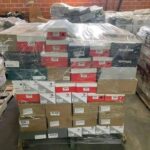
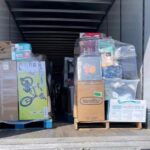
Before buying sporting goods liquidation pallets, review the product photos, listing information, category details, and other details provided for the specific lot. These details can help you understand the available inventory and consider whether the lot fits your resale plans.
Useful lot information may include:
- Product categories and available brand information
- Product photos showing the available inventory
- Condition details where provided
- Quantity or other lot-specific information where available
Take time to review the available lot information before you buy. Looking at product photos, listing details, and category information can help you make a more informed purchasing decision. Checking the new arrivals page regularly can also help you keep track of newly listed pallets.

Understanding Seasonal Buying Windows
Seasonal interest in sporting goods can vary by product type, activity, and time of year. Winter equipment may see stronger interest during colder months, while spring and summer can bring increased interest in outdoor gear. Buying ahead of key seasonal periods gives resellers more time to organise inventory for the selling period they are targeting.
Seasonal buying generally favors:
- Reviewing winter gear ahead of colder months
- Stocking outdoor equipment in early springtime
- Reviewing fitness gear ahead of the new year
- Sourcing team sporting gear pre-season
By planning purchases around seasonal cycles, resellers can give themselves more time to prepare inventory for anticipated customer demand.
Assessing Equipment Functionality
Some sporting goods, such as bikes and fitness equipment, can include moving parts or mechanical components that may need closer inspection before resale. Where appropriate and possible, check the functionality of items with moving or mechanical parts before listing them for resale.
Functional checks typically cover:
- Accessible moving parts and mechanisms
- Visible condition of fabrics and materials
- Completeness of multi-piece sets
- Visible condition and signs of previous repair, where applicable
This inspection takes extra time, but it can help you spot potential issues before listing products for resale. Resellers who vary their assortment may browse other categories, such as toys and general merchandise, in addition to sporting goods to attract a wider base of households.
Budgeting for Your First Purchase
Starting with liquidation pallets requires more than the purchase price alone. New resellers should consider inventory costs alongside shipping, storage, and other operating expenses when planning their first order.
Budget planning should account for:
- Initial cost of pallets or inventories
- Shipping and delivery fees involved
- Storage space requirements
- A buffer for unexpected costs
Investing in liquidation pallets as a business decision should involve reviewing the available inventory, costs, storage requirements, and resale plans before making a purchase.
Diversifying Into Complementary Categories
Some resellers may eventually explore adjacent categories that appeal to similar customer groups. This type of diversification can give resellers more options for serving existing customers across different seasons and product categories.
Popular complementary categories include:
- General tools and hardware
- Outdoor and camping accessories
- Fitness and wellness products
- Apparel suited to active lifestyles
Resellers looking to expand this way often find that buying wholesale hardware pairs well with sporting goods, since both target active customers.
Evaluating Potential Suppliers
When evaluating a supplier, consider the lot information provided, available product photos, shipping details, and customer support for questions about specific inventory. Rather than focusing only on the lowest price, consider the available inventory, product information, shipping costs, and other purchasing factors.
Useful supplier information may include:
- Detailed information about individual lots
- Product photos showing available inventory
- Category and condition information where provided
- Responsive customer support for questions about a specific lot
The same principles that work for sourcing quality tools in wholesale can also apply to sporting goods. Reviewing the available inventory information and asking questions about a specific lot can help support more informed purchasing decisions.
Scaling Your Resale Operation Over Time
Once you have established a workable resale process, you may consider gradually increasing order quantities as your storage, cash flow, and sales channels allow. When growth happens too quickly, it can create storage and cash flow problems, which you can avoid with careful, deliberate pacing.
Sustainable scaling typically involves:
- Gradually increasing order volume
- Allocating available funds towards additional inventory
- Building relationships with suitable suppliers
- Tracking products and styles that receive customer interest
Growing gradually can give you more time to understand your inventory needs, storage capacity, customer demand, and available cash flow before taking on larger orders.
Exploring Sporting Goods With Maple Liquidation
Resellers interested in sporting goods liquidation pallets can review information for individual lots before deciding to buy. At Maple Liquidation, this may include product photos, listing details, category information, and other inventory-specific details.
Depending on the available inventory, buyers may find:
- Product information provided for the specific lot
- Available photos of the inventory
- Category details where provided
- Lot size and purchasing requirements
Contact us to learn more about available sporting goods inventory and ask questions about specific lots before purchasing.
Approaching Sporting Goods Resale With Confidence
Every reselling category has its own learning curve. Sporting goods liquidation pallets are no exception. They require attention to seasonal timing, equipment condition, product completeness, and customer demand before you invest.
Building knowledge within one category can make it easier to understand its products, customers, seasonal patterns, and resale channels before expanding further. Consistent sourcing, careful inventory review, and thoughtful pricing can help resellers develop a more organized approach to managing their resale operation.
Frequently Asked Questions
Is prior knowledge of specific sports helpful for this category?
Some knowledge of specific sports can be helpful when evaluating products or understanding customer demand, but it is not essential. Available listing information can also help you assess a lot.
How much space do I need to store sporting goods inventory?
Storage needs vary by pallet and product mix. Bulky items such as bikes or camping equipment may require more space than smaller sporting goods.
Can sporting goods pallets include multiple unrelated sports?
This depends on the specific lot. Some lots may focus on a particular sport or activity, while others may contain products from several sports. Review the available listing information to understand the product mix before purchasing.
Is it better to resell sporting goods online or in person?
Either option may be suitable depending on the products, customer base, and costs involved. Bulkier sporting goods may be more practical for local sales because shipping can add cost and logistical considerations, while smaller items may be easier to list and ship online.
Can liquidation suppliers offer volume-based pricing?
Pricing arrangements vary by supplier. If you are considering a larger or repeat purchase, you can ask whether volume-based pricing or other purchasing options are available.